Flying cars, they said…
Where is that utopia, now that you mention it? Whether your fanciful childhood idea of the future was born out of The Jetsons, a cyberpunk cityscape, or something else entirely, it’s likely fair to say: unless you were a terribly dour and pragmatic child, 2024 isn’t quite what you imagined. The ice caps are melting, AI is trying to do all the cool jobs instead of the mundane ones… and all the richest men of the world can manage to do is ruin Twitter, get the world’s most garish muscle injections, or get outed for riding around on the plane of a certain now-deceased New York financier. Enter, at some point during all that, Yard Act – the Leeds-born band that isn’t quite out to answer the question of how we got here so much as they are the arguably-more-important query: What the hell does one do in a place like this?
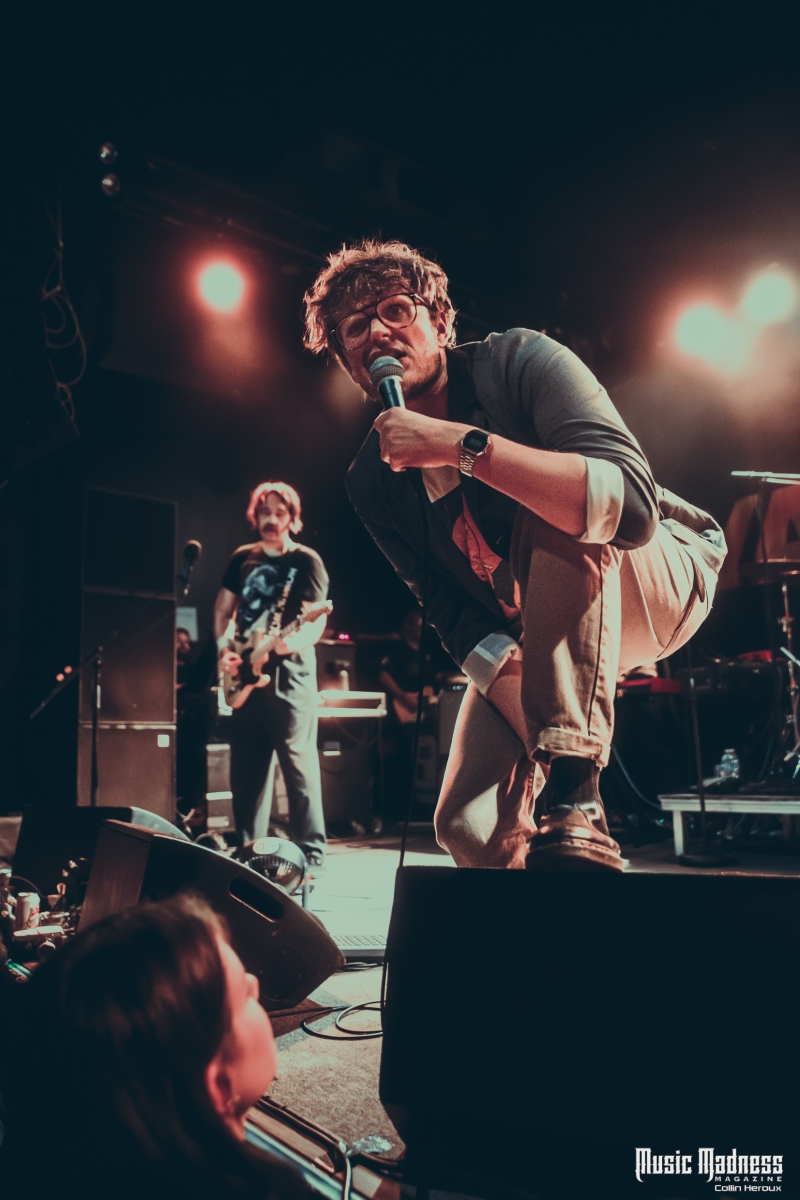
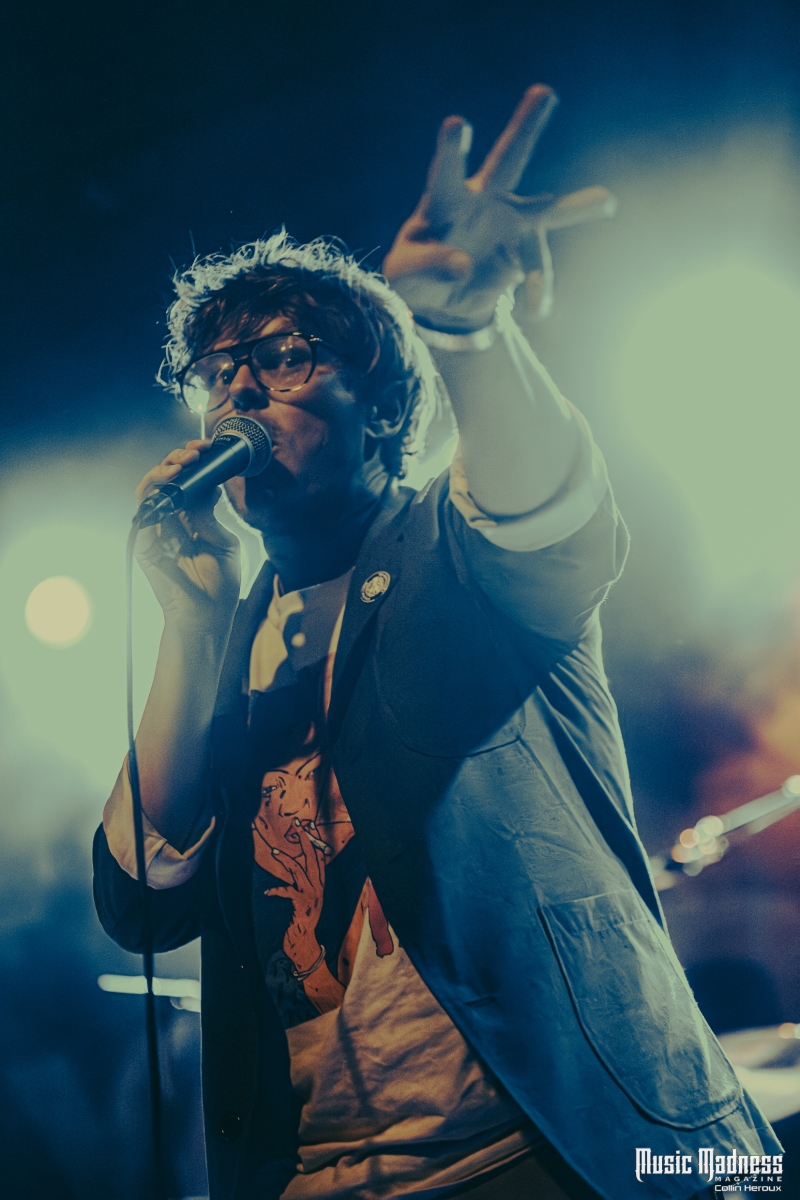
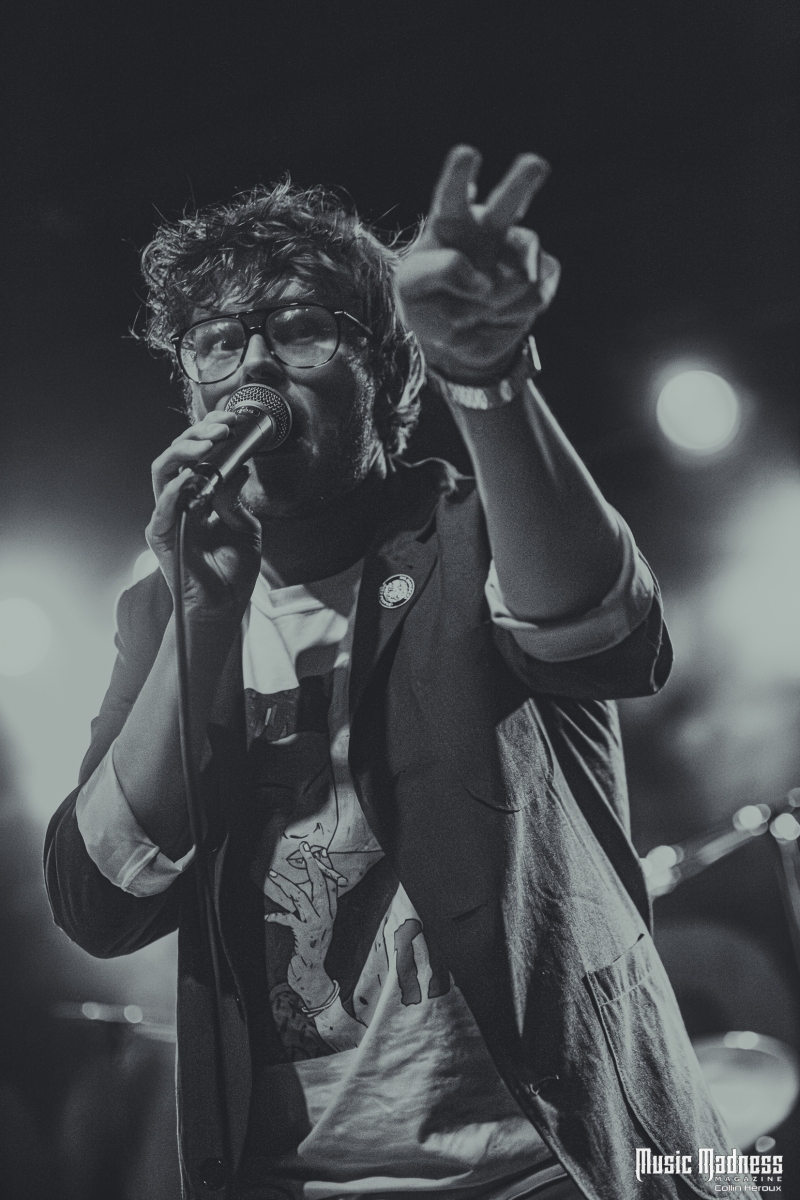
Armed with snark, sprechgesang, and some genuinely very good songwriting, the band’s Dark Days EP was a quick launchpad into their well-loved full-length debut The Overload. Hell, even Elton John got on board. The last time they were at The Sinclair in Cambridge, singer James Smith – possessed of an almost comical level of everyman name – convinced an audience member to give him some cash right out of their wallet, with which he then proceeded to walk to the bar at the opposite end of the venue, purchase a beer, and saunter back during an instrumental break. It’s a man and a band who will, if nothing else, commit to a bit – and they’ve upped that ante with 2024’s Where’s My Utopia, simultaneously managing to grow as a band whilst even more directly confronting the absurdity of their situation.
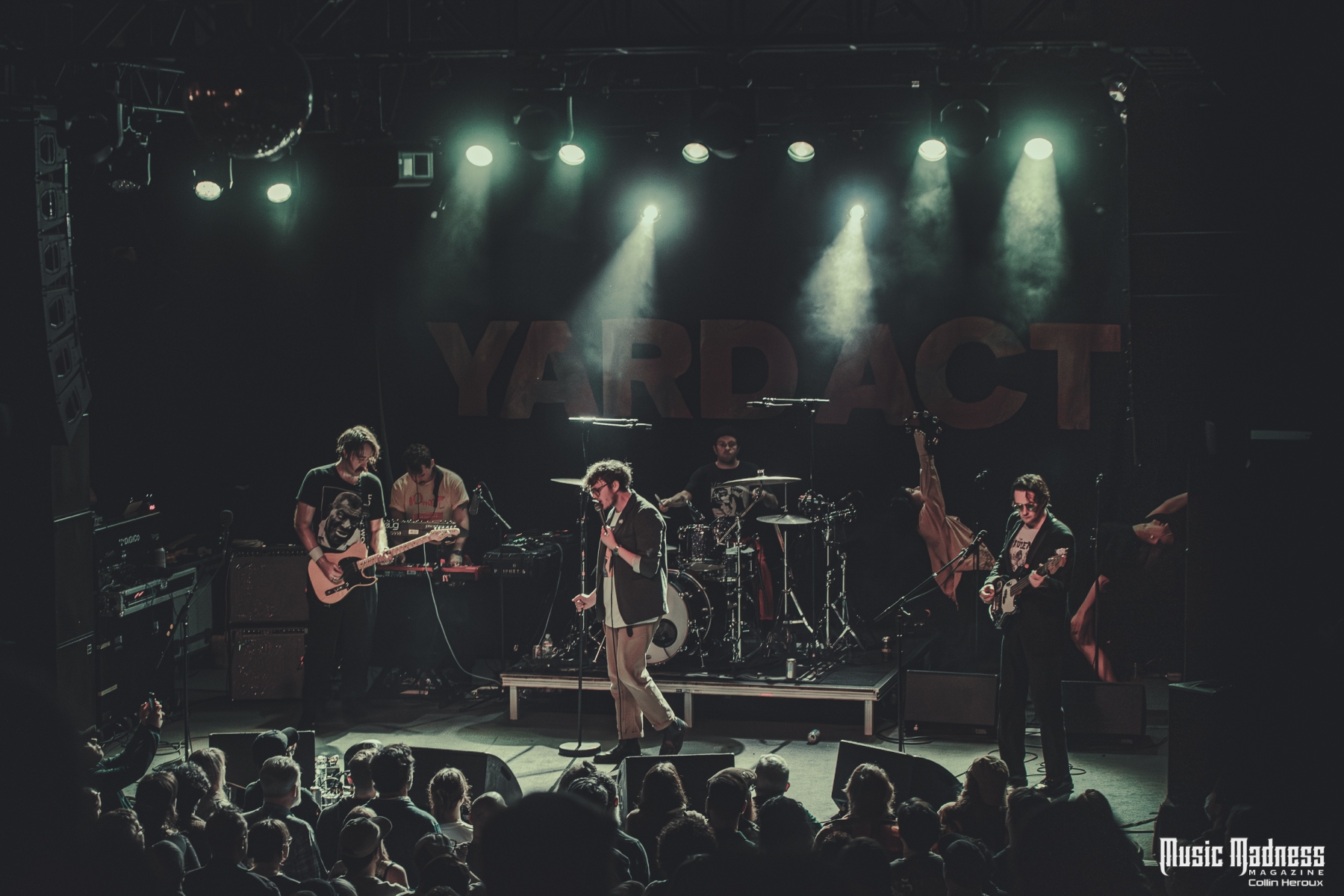
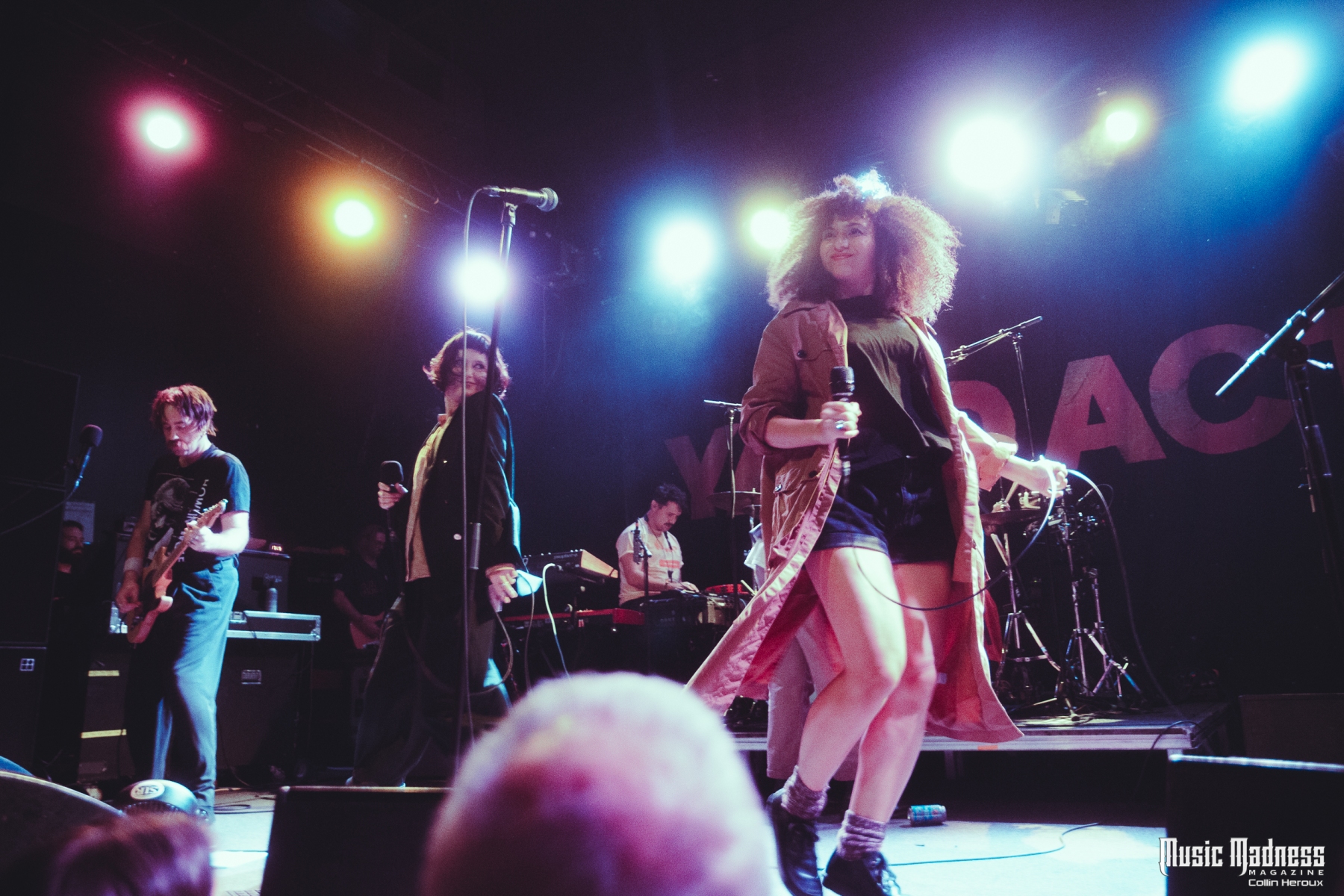
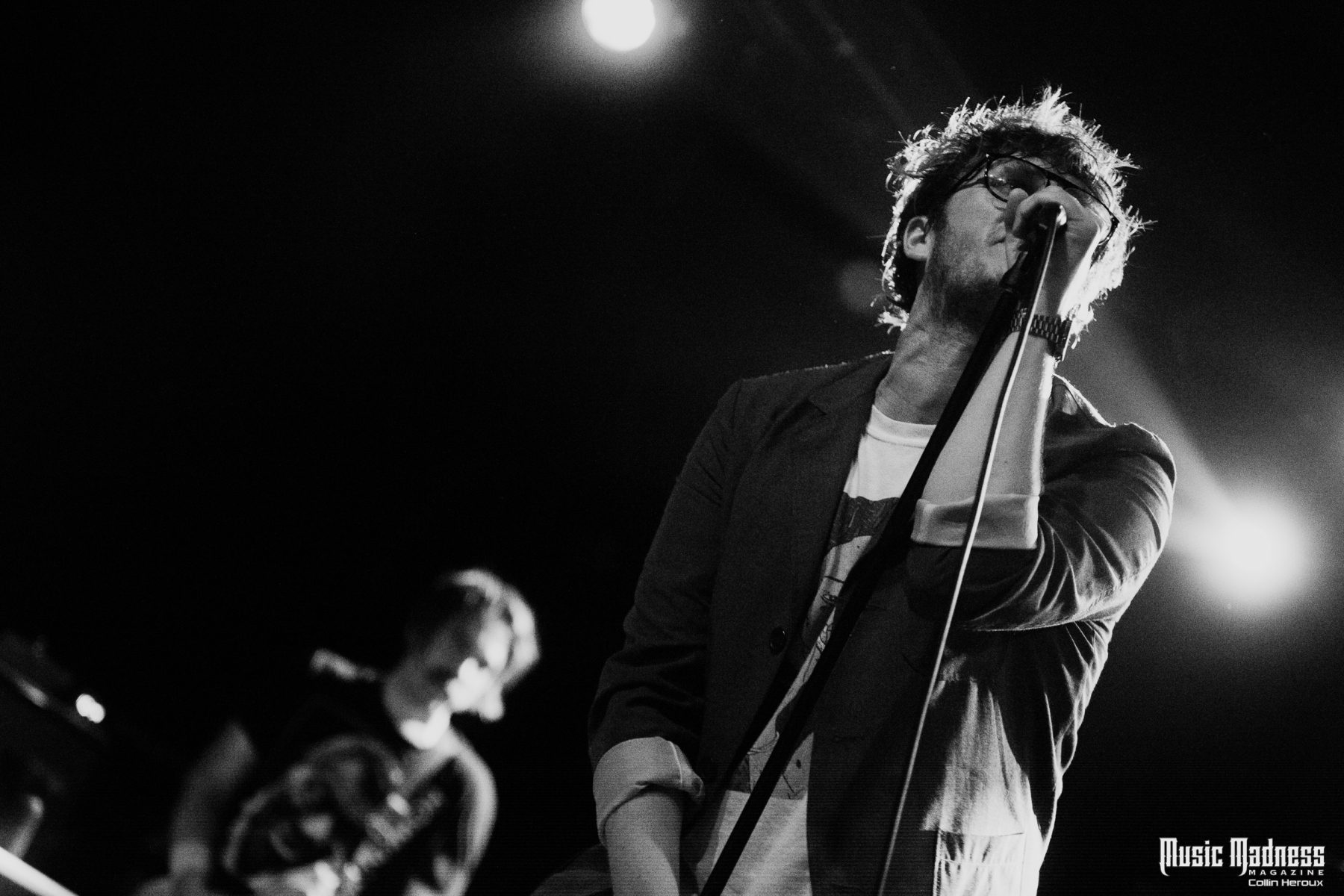
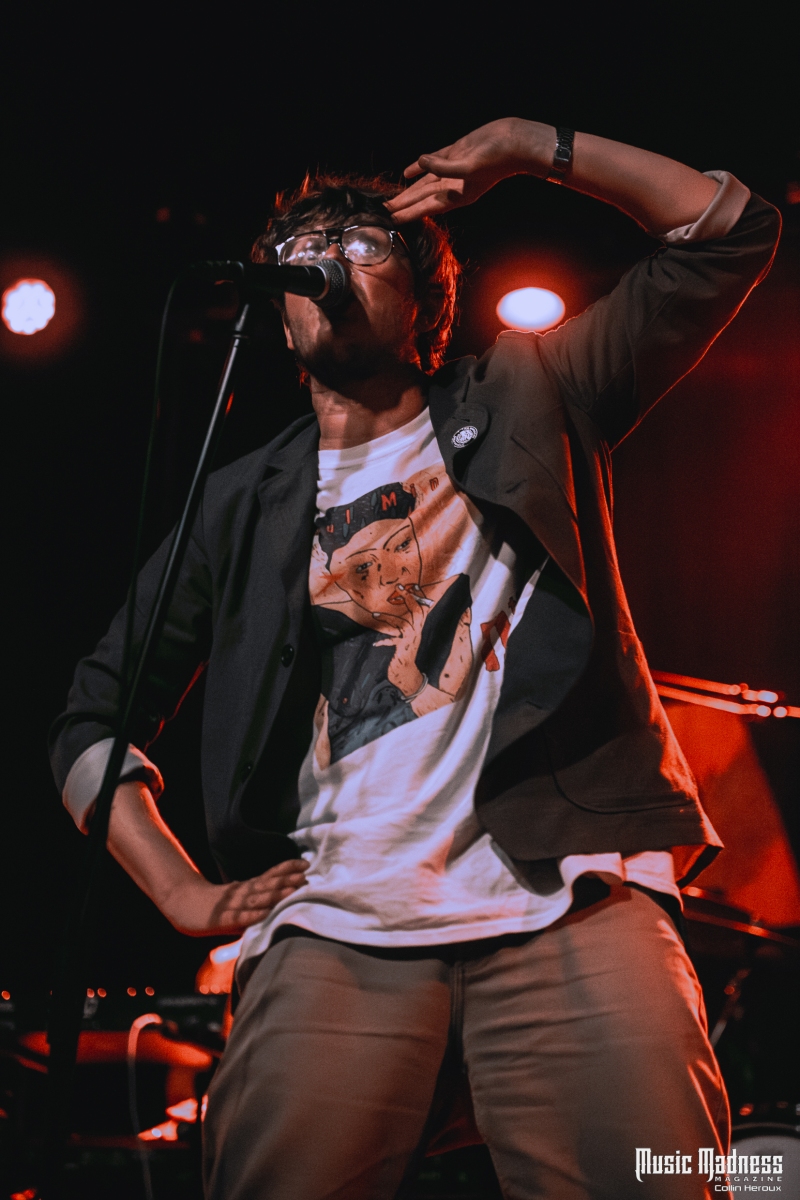
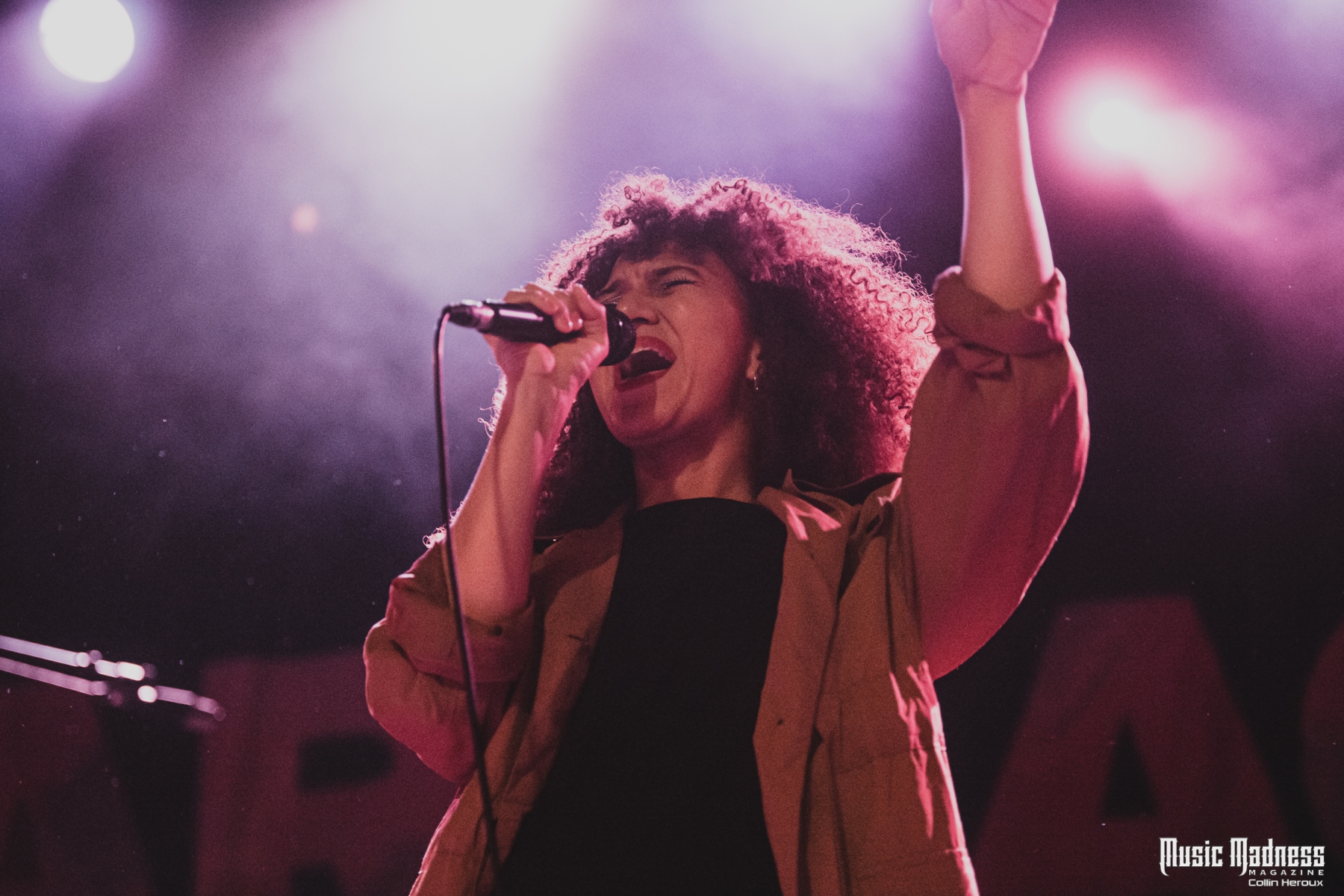
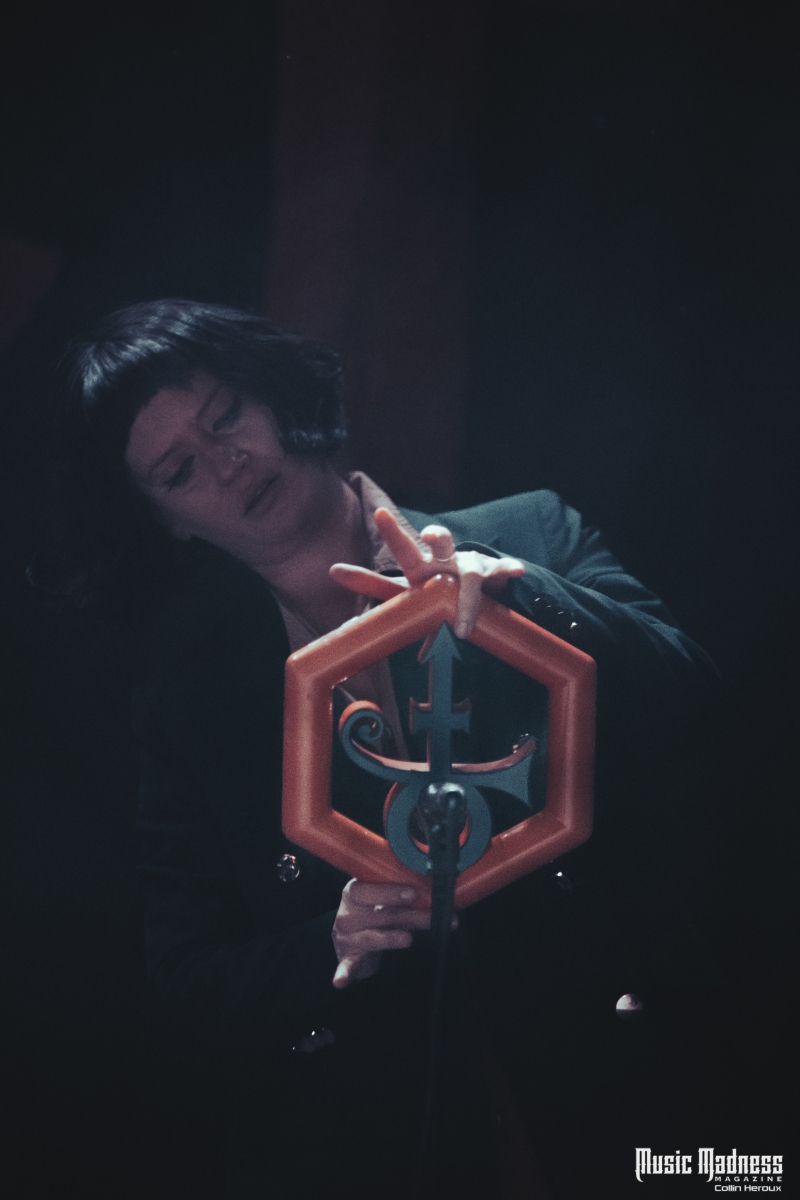
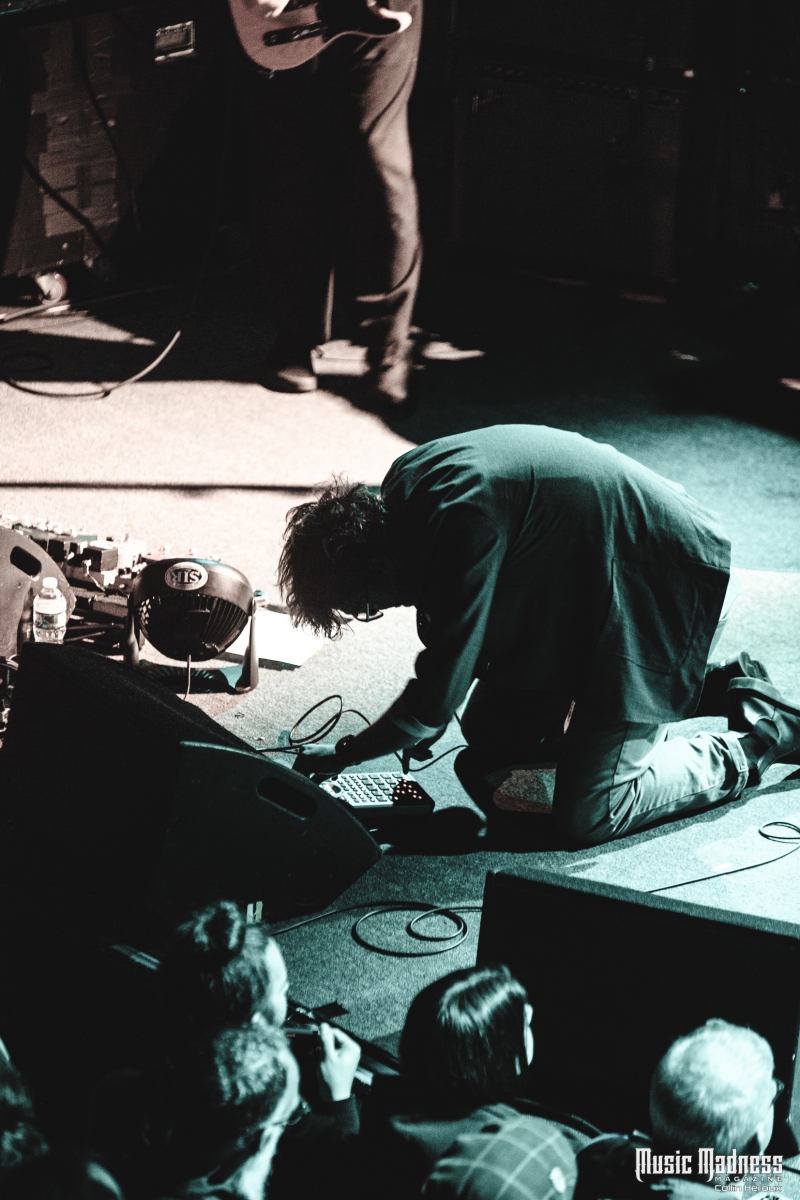
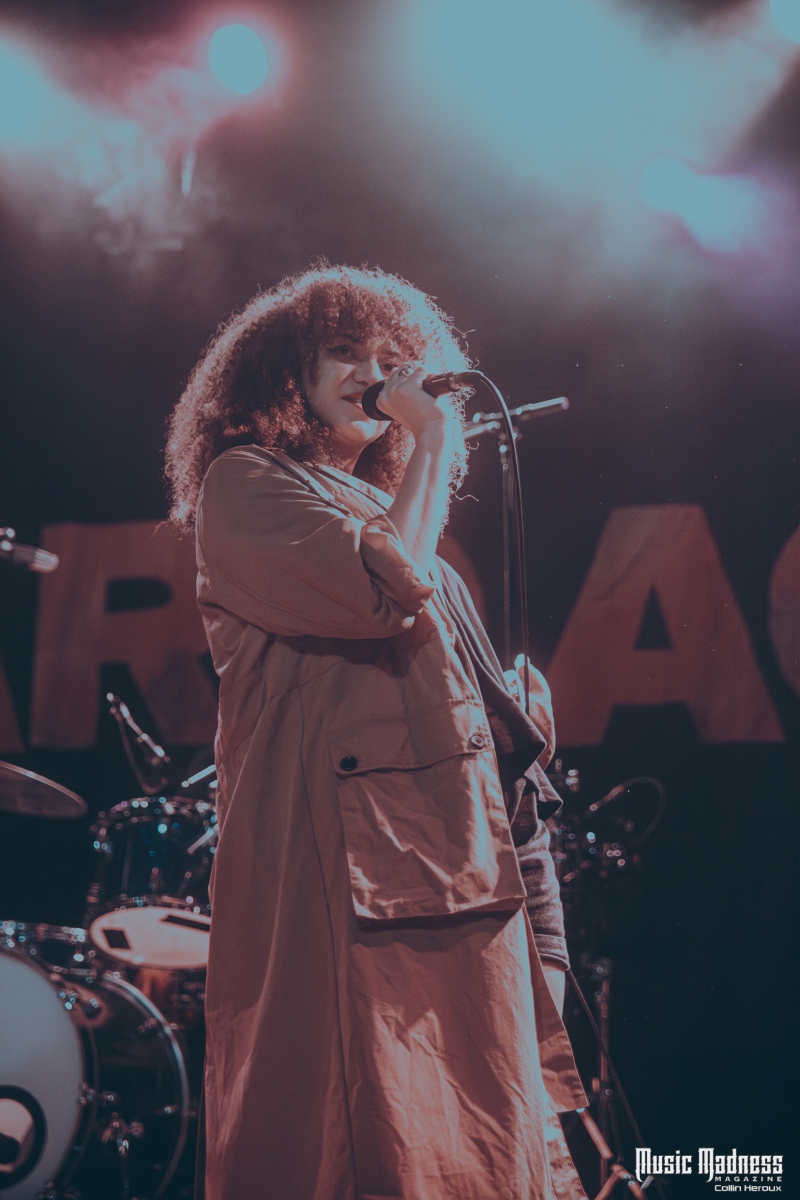
They return to Cambridge in the same room, but there’s more people this time around – both in the crowd, and on the stage. The normally four-piece band has expanded to seven, courtesy of multi-instrumentalist Chris Duffin, as well as backup singers and dancers Lauren Fitzpatrick and Daisy Smith. The result – a Yard Act with horns, keys, huge group vocals, and some weird contraption that looks like the symbol Prince changed his name to – is one of the best live performances I’ve seen in recent memory.
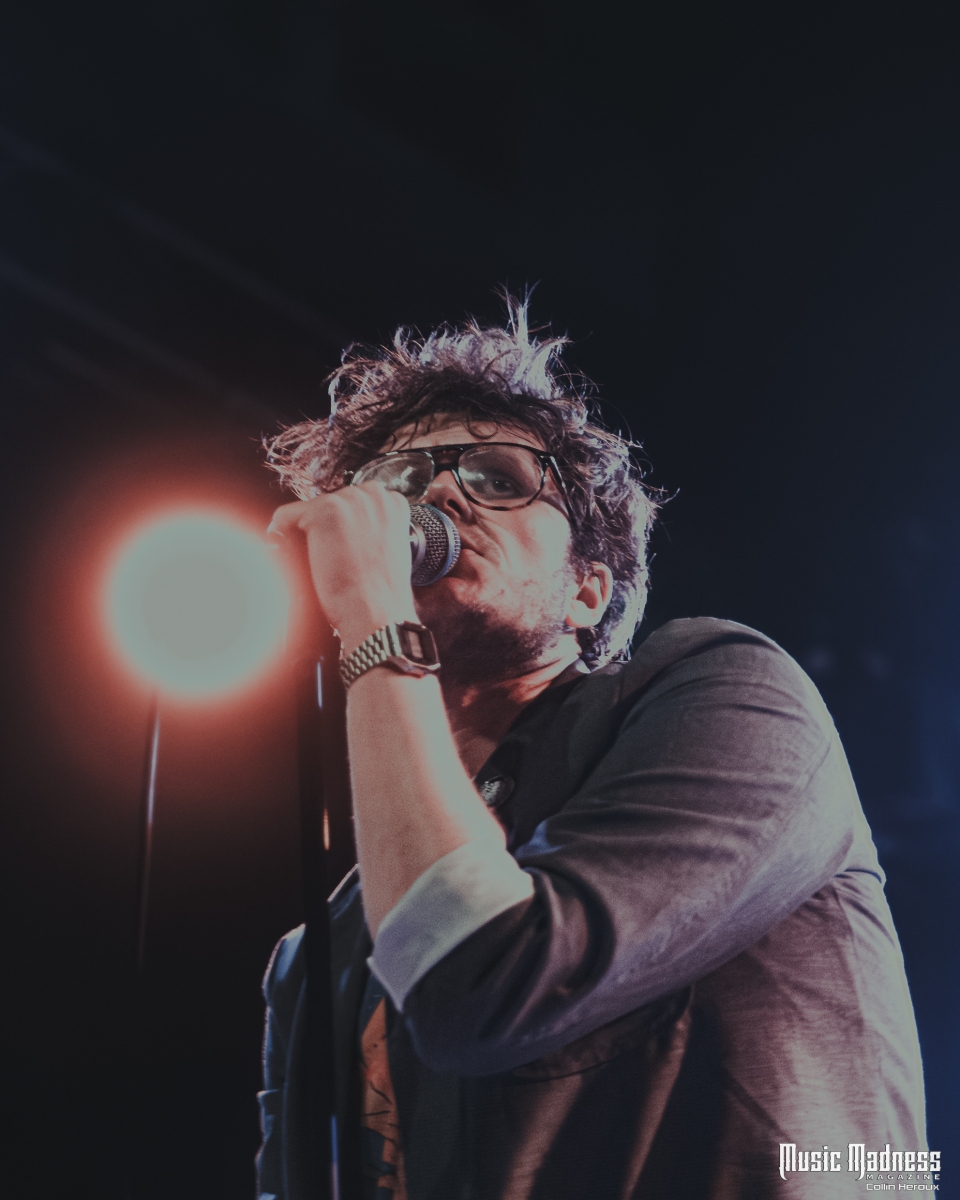
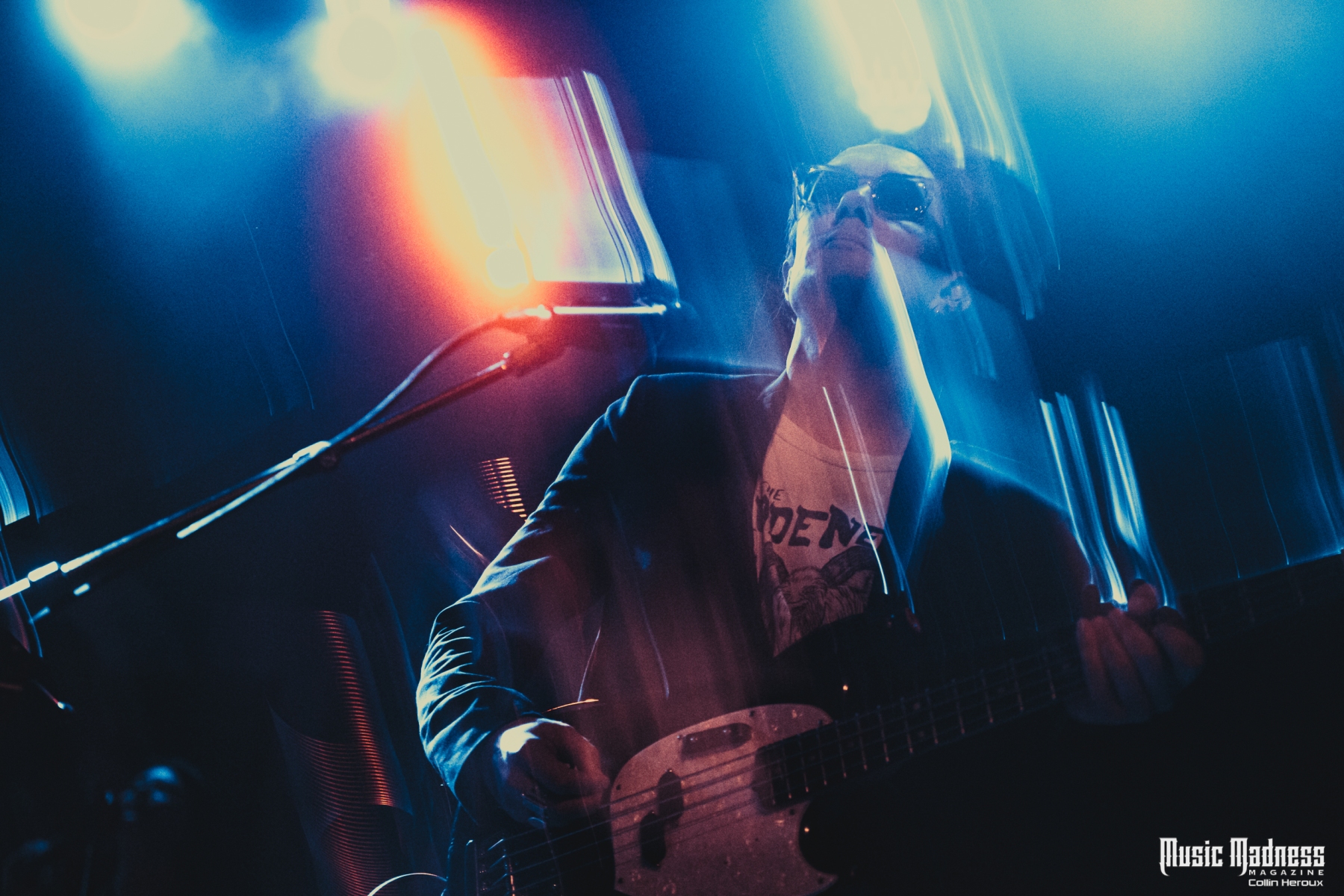
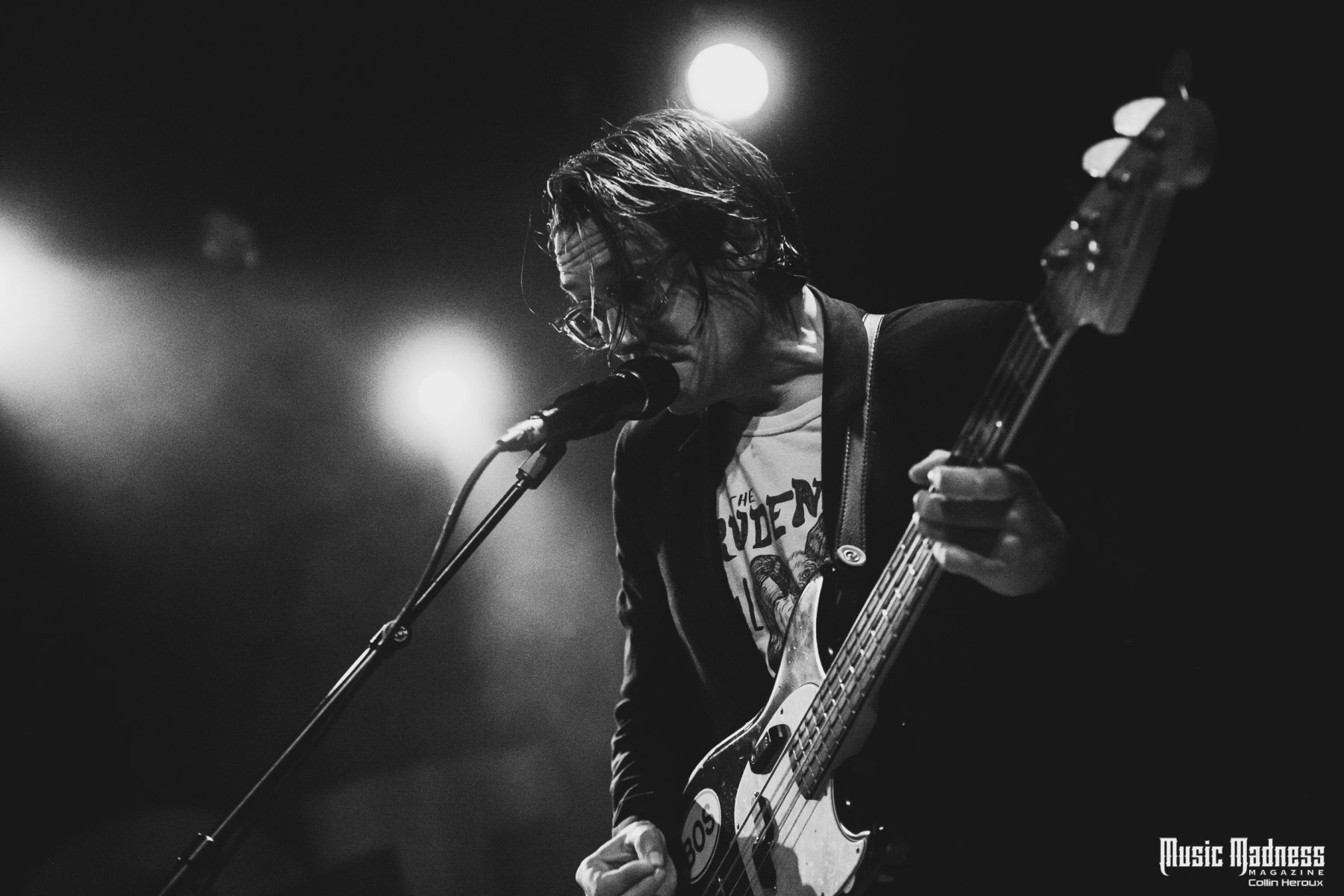
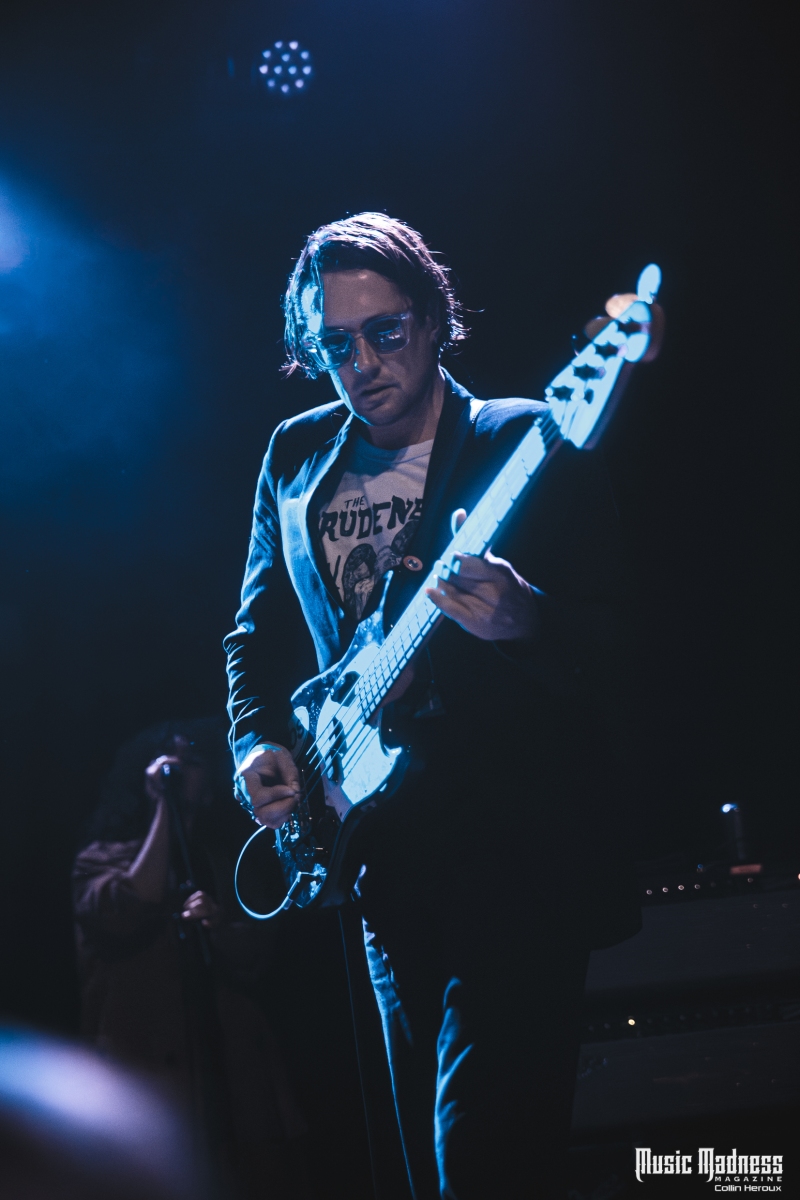
‘Dead Horse’ sets the scene like a wide shot in a film – Smith sings about England, but much of the criticism is applicable to the current state of the USA, especially with an election looming around the corner. ‘Payday’, with its ridiculously-funky bass line from Ryan Needham, is almost so fun it threatens to distract from the late-capitalist hellscape it portrays. I’m not entirely sure if the idea of growing lettuce in potholes is an out-of-size metaphor or an actual thing that’s happened – either could be true in the modern era – but America does its own very-real version whenever a “human interest” story on the local news talks up teachers who all but bankrupt themselves buying supplies for their students. And isn’t it just great when people successfully finance their medical treatments via GoFundMe or Kickstarter? Surely there is no better way. Smith gives an unnaturally-still gaze out into the middle distance during ‘Land of the Blind’ that says as much in its silence as he does in his most loquacious moment.
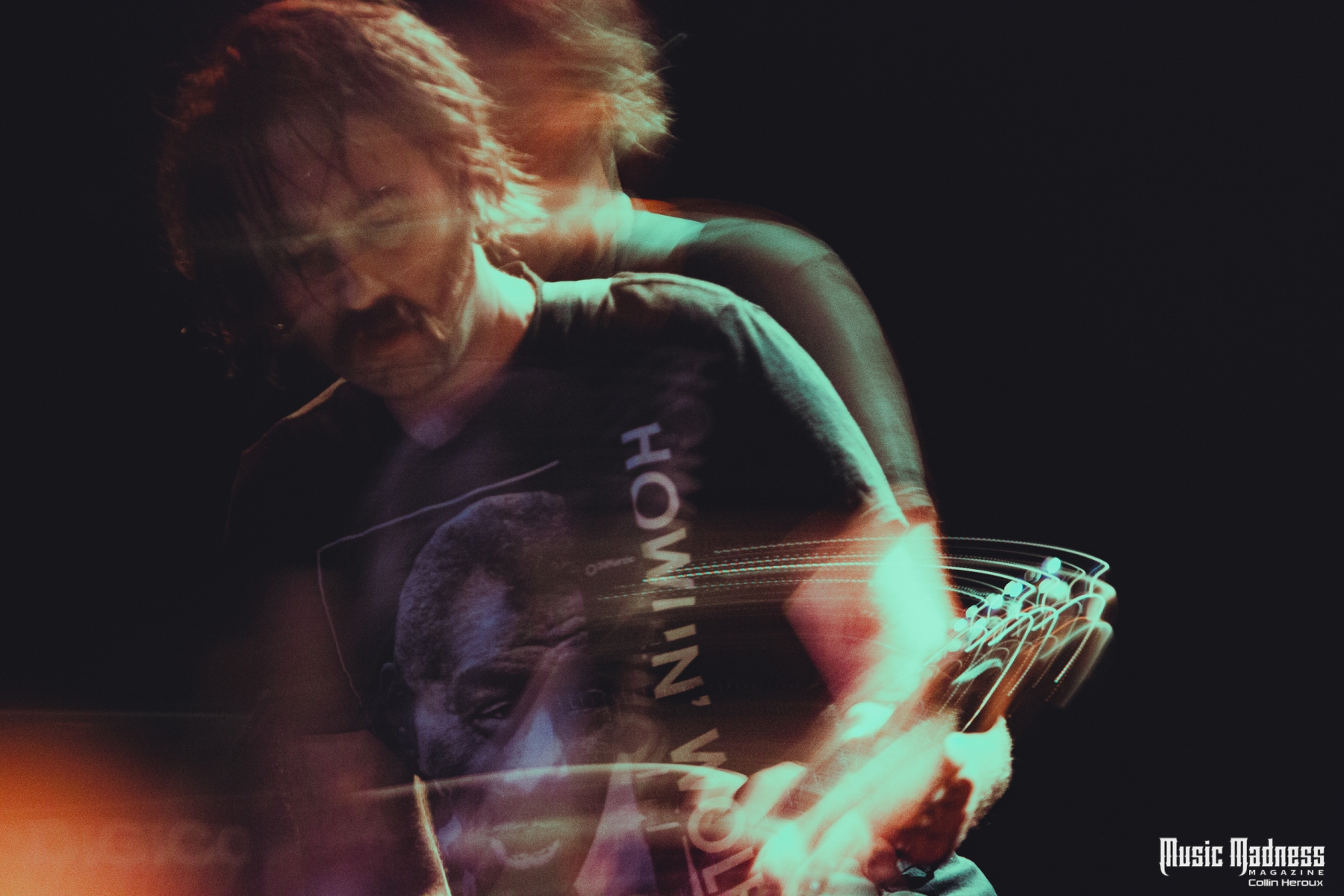
But Smith and co. refuse to shy away from the fact that there’s a personal part to it all. ‘Down by the Stream’ seems less a candidate for live performance than ‘The Undertow’, which plays like a wonderful long-lost Pulp track – but it’s the former that makes it into the set. A childhood remembrance, it descends into a mea culpa from the singer about the vicious cycle of how some misfits manage to bully those who fit in worse than them. The unplayed ‘Blackpool Illuminations’ is equally personal, and while you certainly could never saddle Yard Act as one-trick ponies, given the talent that resides in Smith, Needham, guitarist Sam Shipstone, and drummer Jay Russell – it’s the capacity for these kinds of detours that help further set the band apart.
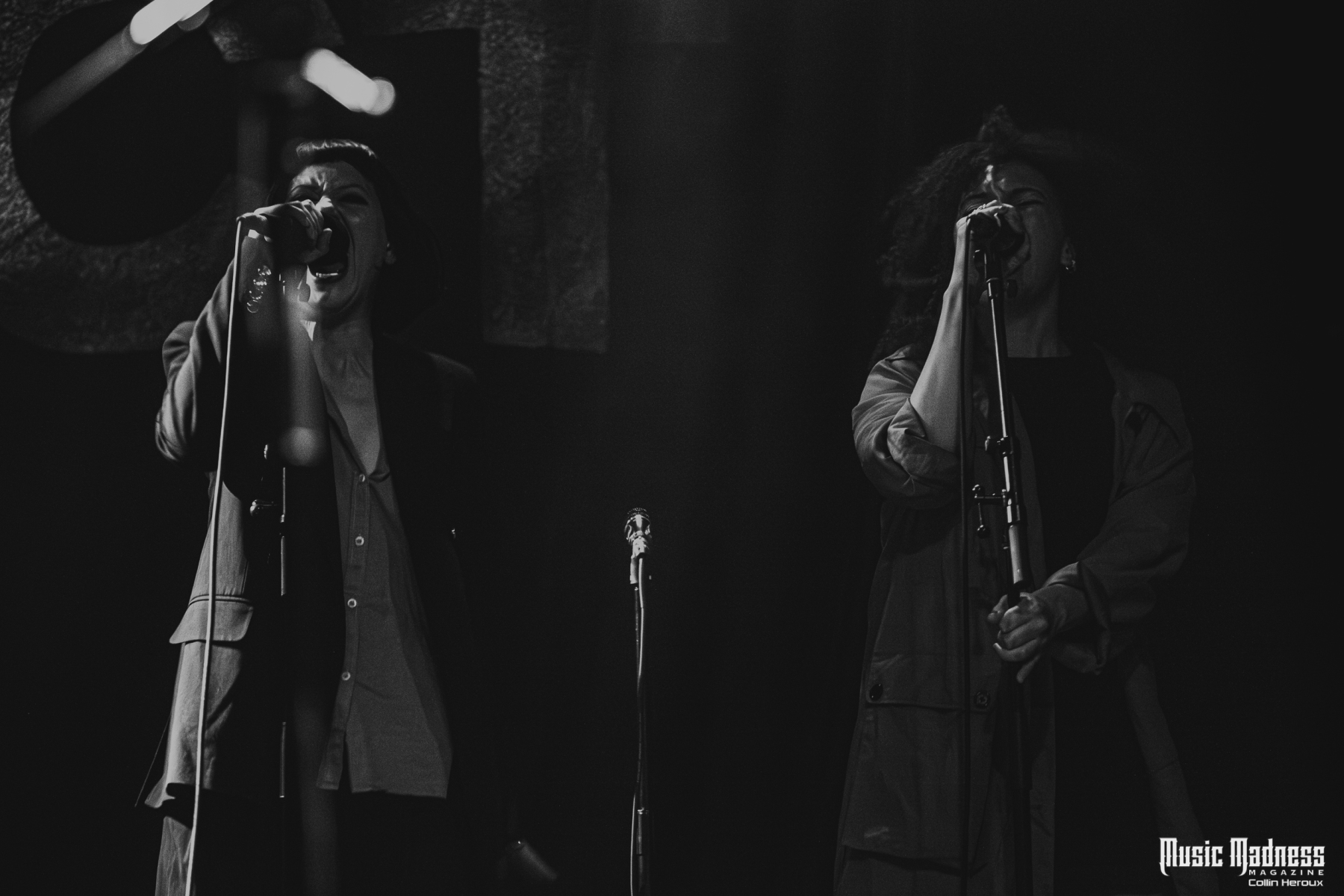
Moving back into the more fun an animated wing of things, the seven-piece ensure that ‘Dream Job’ and the meta-narrative ‘We Make Hits’ become a full-fledged dance party, the former seeing Daisy Smith and Lauren Fitzpatrick whirling around front and center while James lingers near the drum set during instrumental parts. The presence of those two also allows the band to perform ‘When the Laughter Stops’, an album standout whose recorded version features the venerable Katy J. Pearson on guest vocals, and the band extends the song with a lengthy, jammy outro.
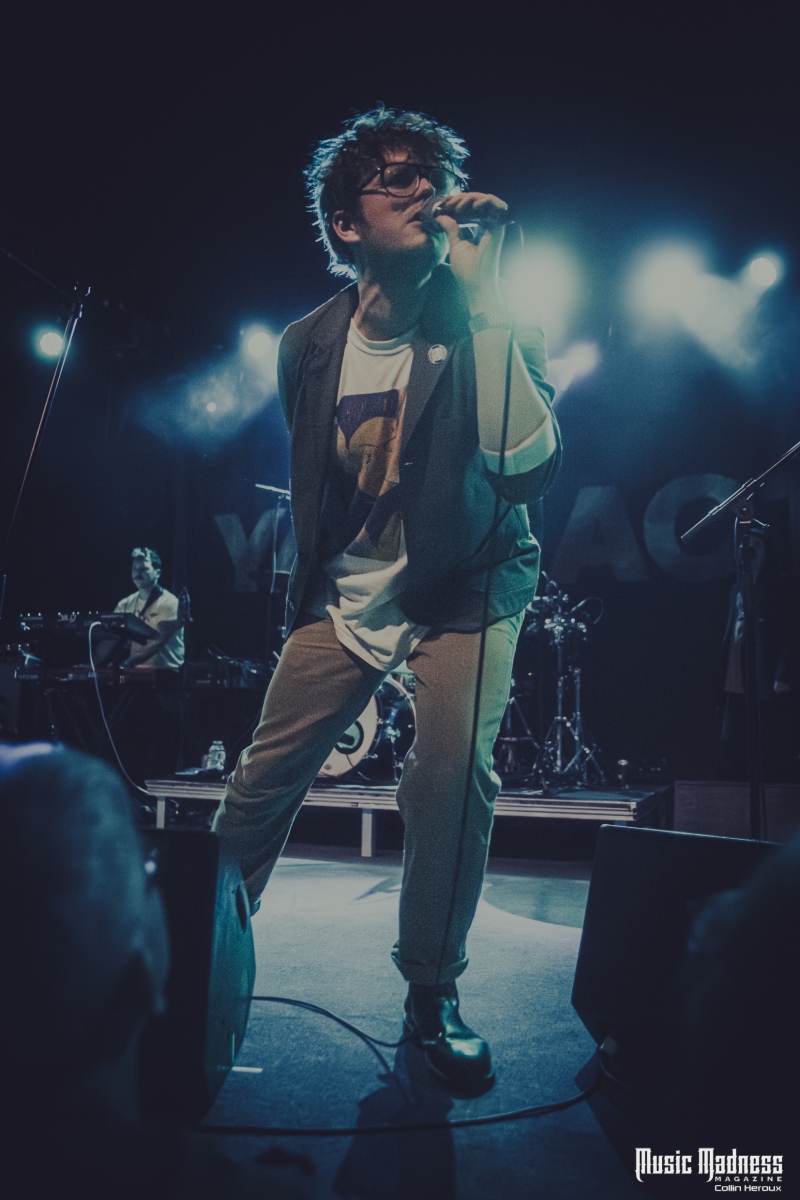
Approaching the end of the set – marked by the performance of non-album oddity ‘The Trench Coat Museum’ (for which Smith and especially Fitzpatrick are suitably dressed), something completes the process of becoming clear. While the overarching draw of the band has always been their commentary, with this latest album Yard Act have not only grown compositionally, but also cemented themselves as an essential live show to a genuinely surprising degree. If life is the universe experiencing itself, then Yard Act is like the notion of modern entertainment experiencing itself, in the most honest way possible – yet paradoxically still packing rooms and playing festivals. For the broke millennials who enjoy wordy, world-weary ruminations on the absurdity of the human condition, the declaration “We Make Hits!” is simply a statement of fact.
Photos and review by Collin Heroux