

Of all the descriptors we music writers can’t help coming back to, calling a band’s rise “meteoric” is a close second or third to the unquenchable thirst we collectively have for designating guitars as “angular”. And yet, for Geese, they have most certainly earned that first label with the release of their latest album, the fantastic Getting Killed. Critical darlinghood and near-universal acclaim have arrived, prompting the usual questions like, “Are Geese this generation’s [insert-band-here]?” But comparison-sifting and frothing-at-the-mouth be damned, the New York City band is objectively one of the most worthy and notable American guitar music success stories in years, overflowing with the creative, youthful imagination of this handful of artists only just into in their 20s.
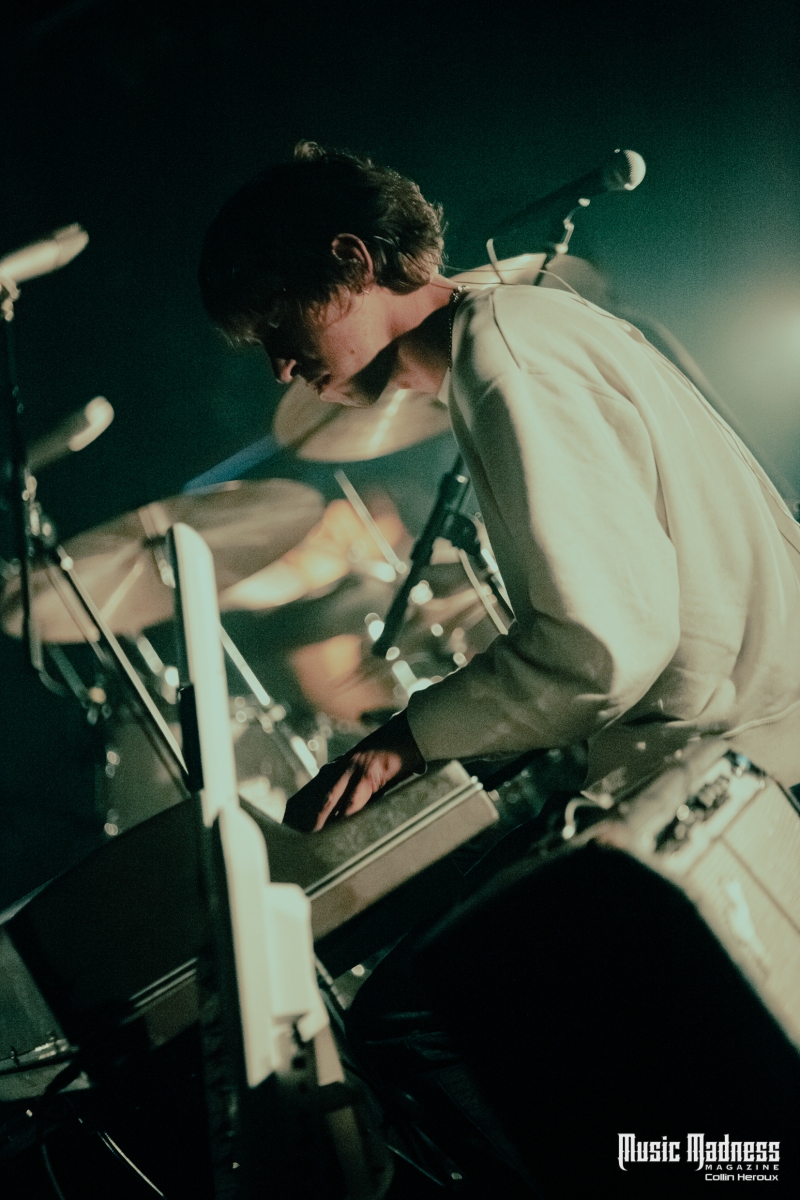
At the center is bandleader Cameron Winter, who followed the success of the full band’s 2023 album 3D Country with his own late-2024 opus, Heavy Metal. The latter record stripped back the wondrous instrumental complexity present in Geese material and showcased Winter as a virtuosically-manic and piano-focused writer – if he’s This Generation’s Anything, he’s its John Cale. Undeniably-pop tunes like ‘Love Takes Miles’, no less off-kilter for their appeal, sat comfortably next to indelibly-moving stream-of-consciousness screeds like ‘Nina / Field of Cops’. But as talented as Winter is, one cannot ignore the notable differences between his solo work and the band; the remaining members of Geese are integral to getting things to sound as full-fledged as they deserve to be.

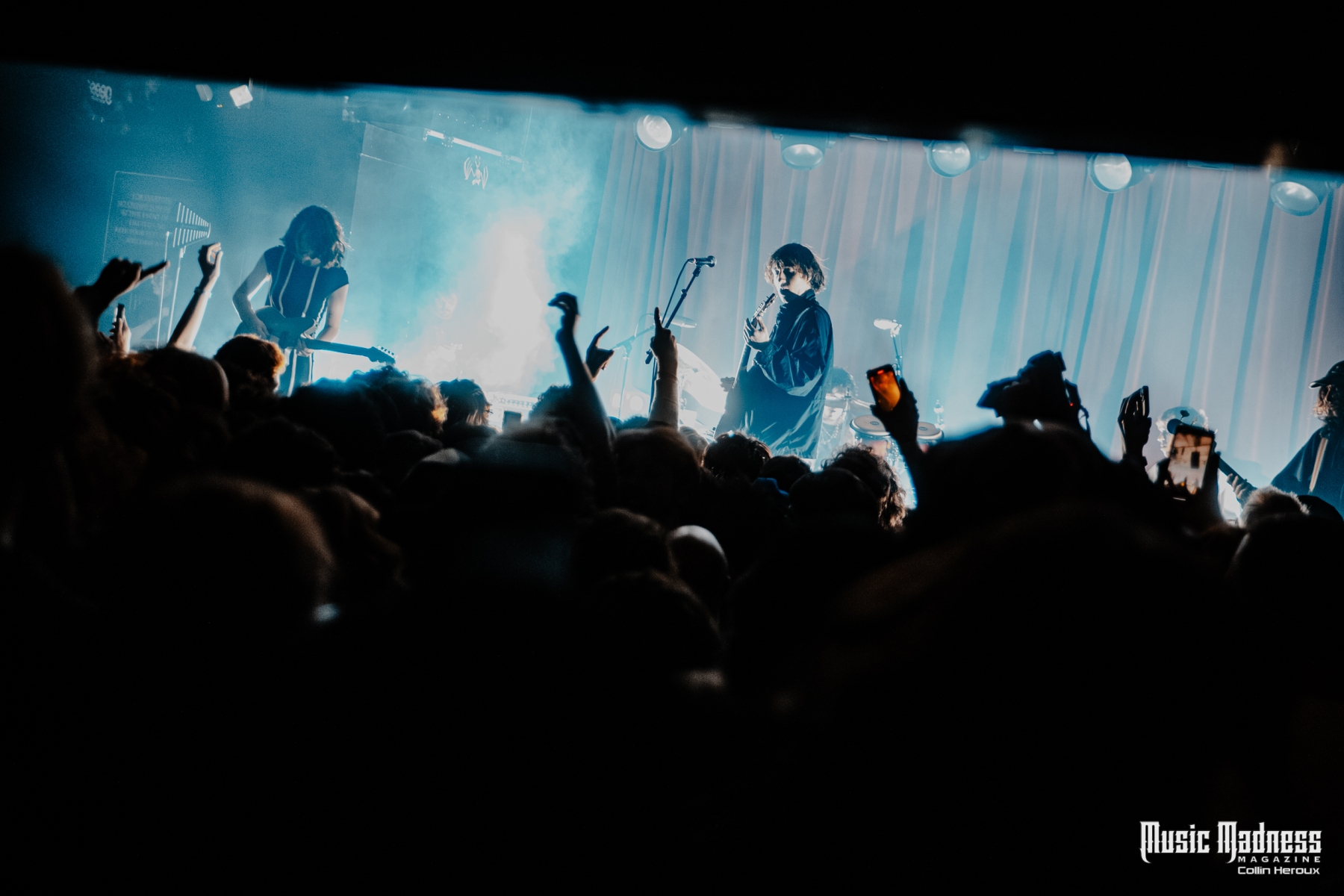
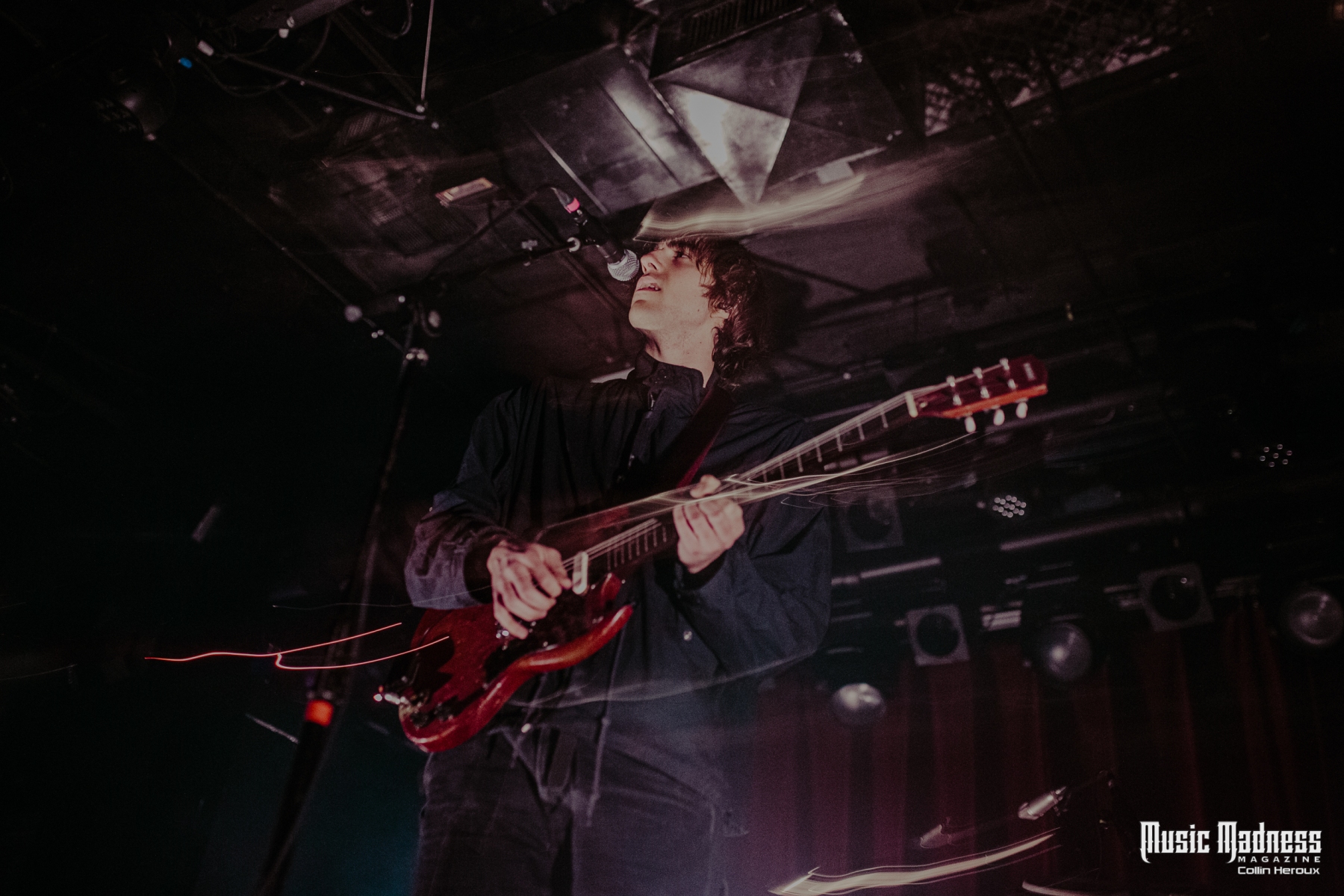
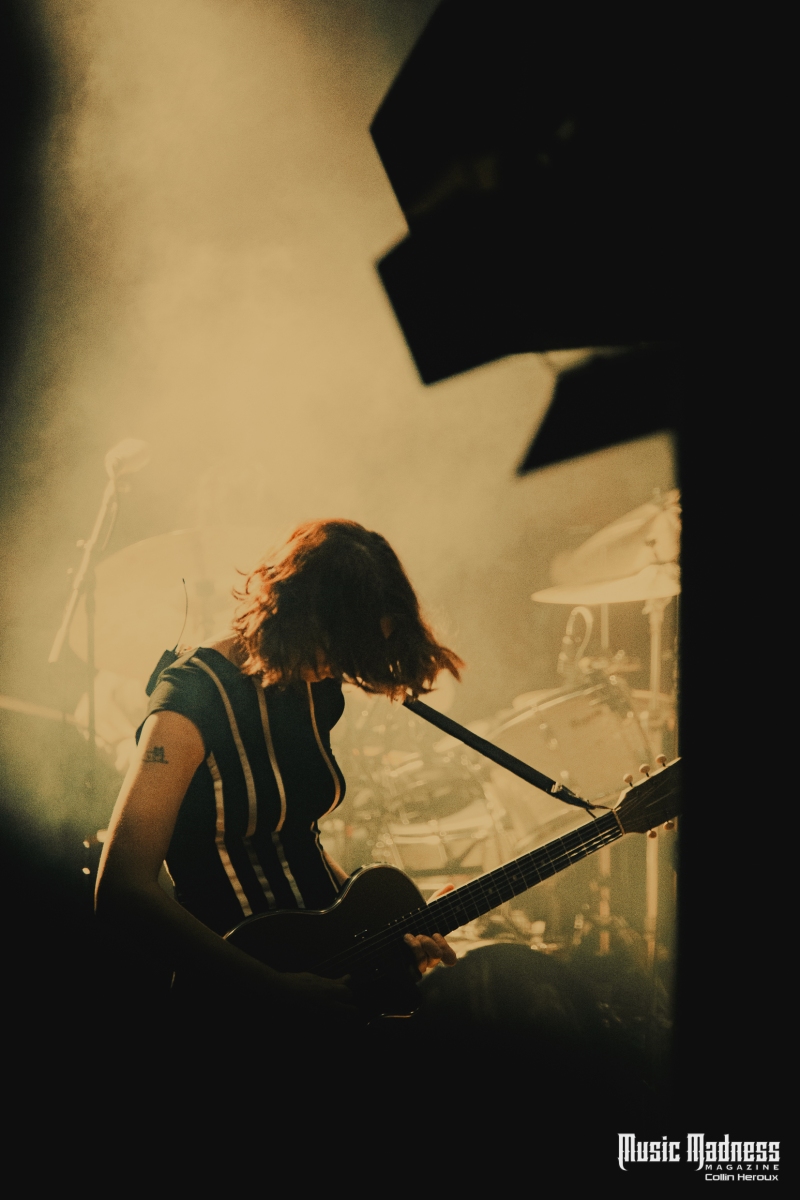


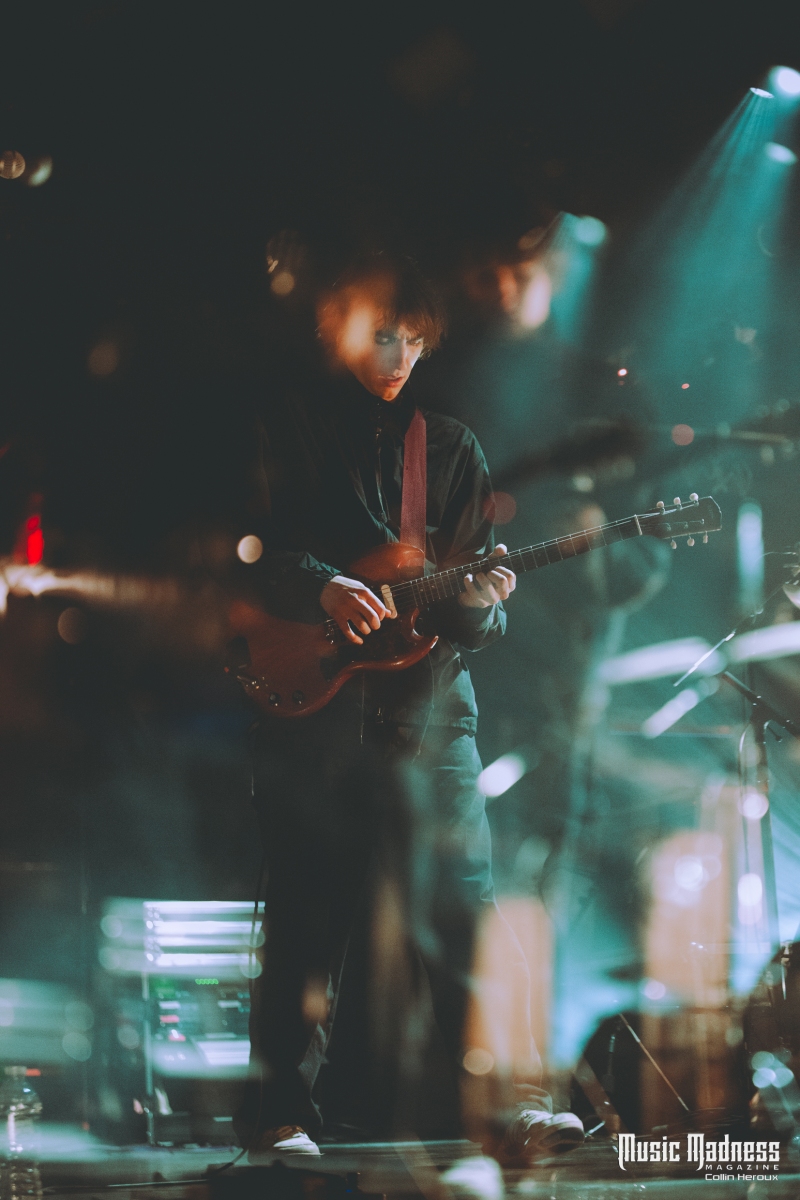

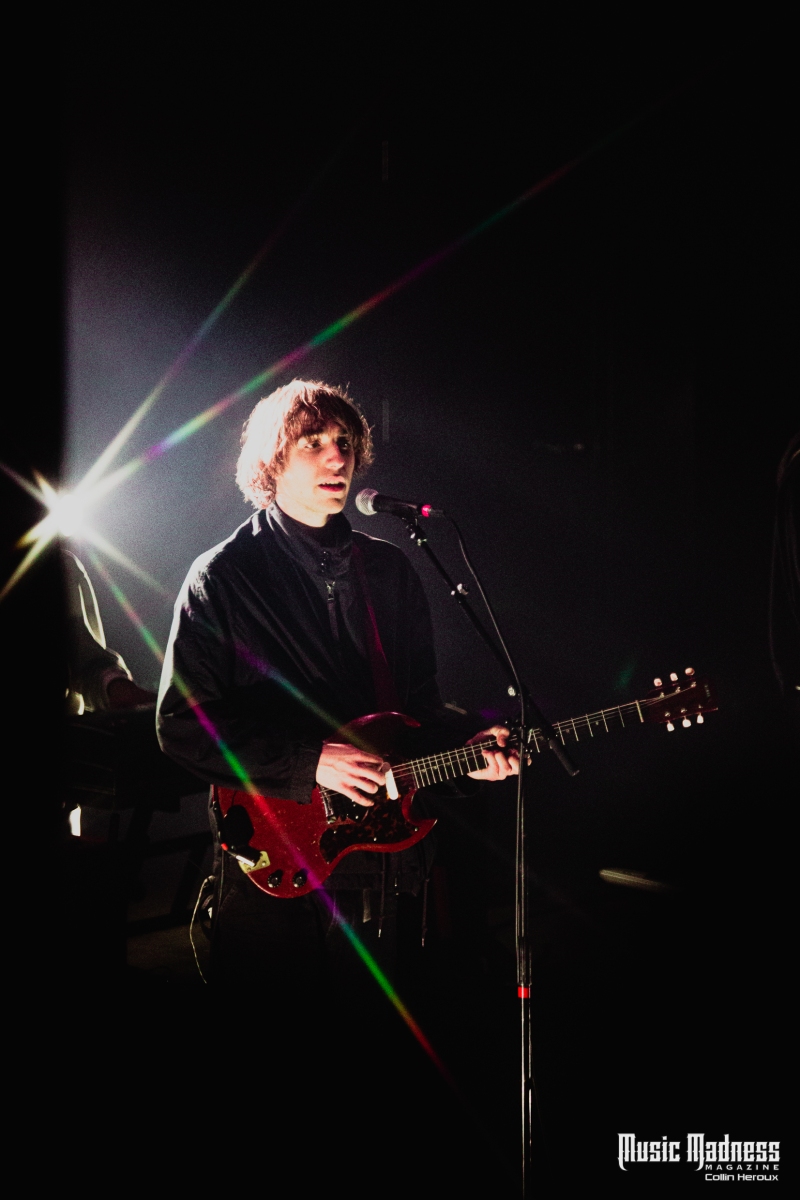
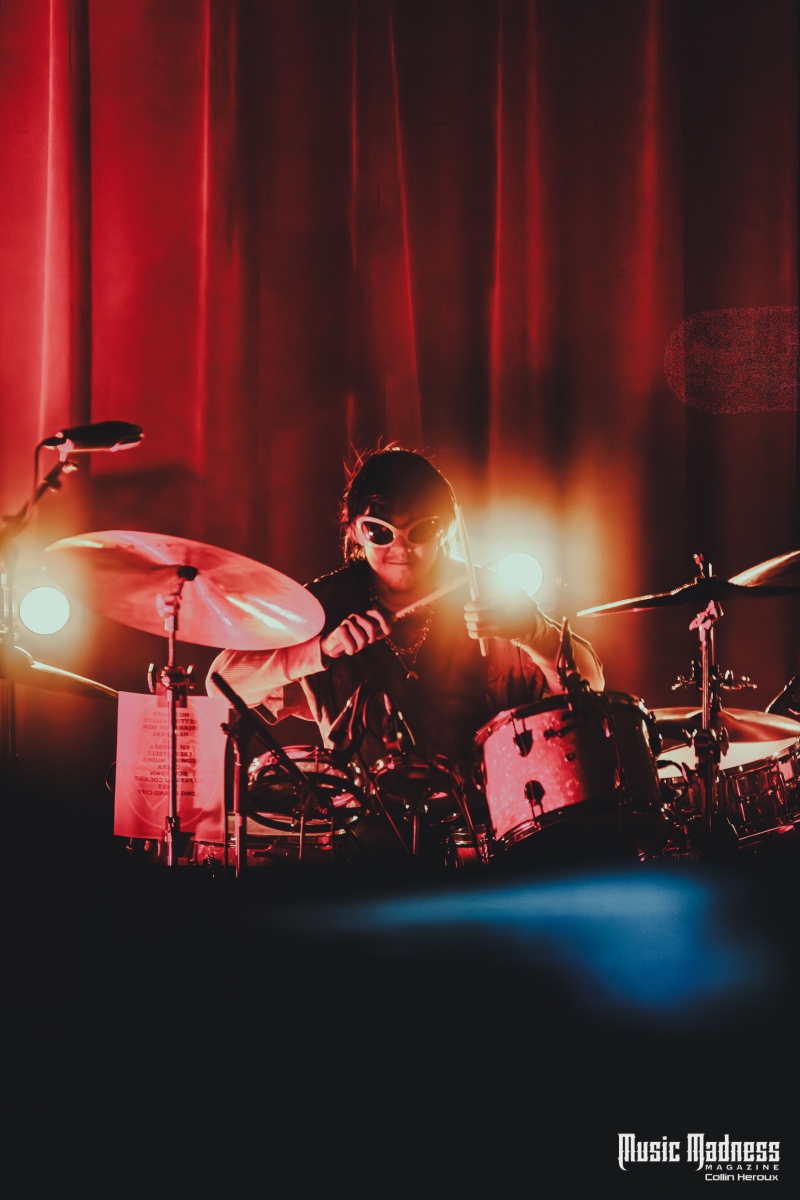
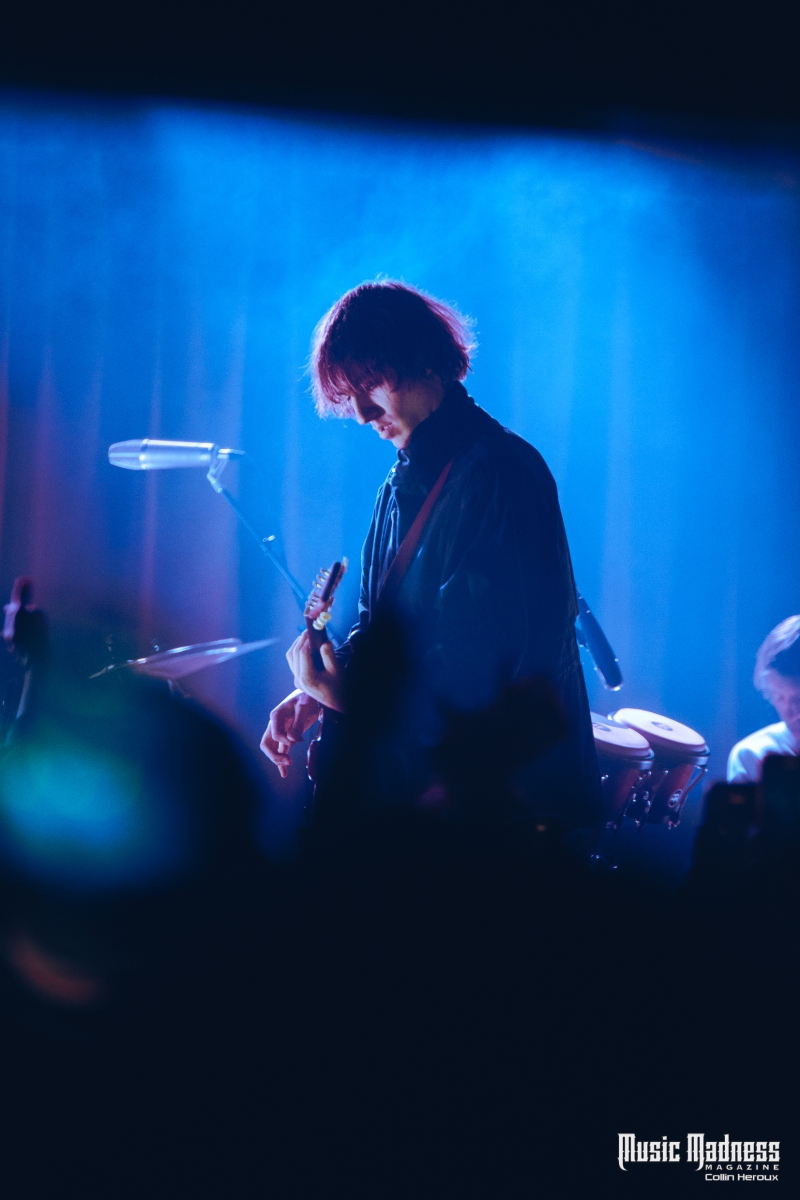
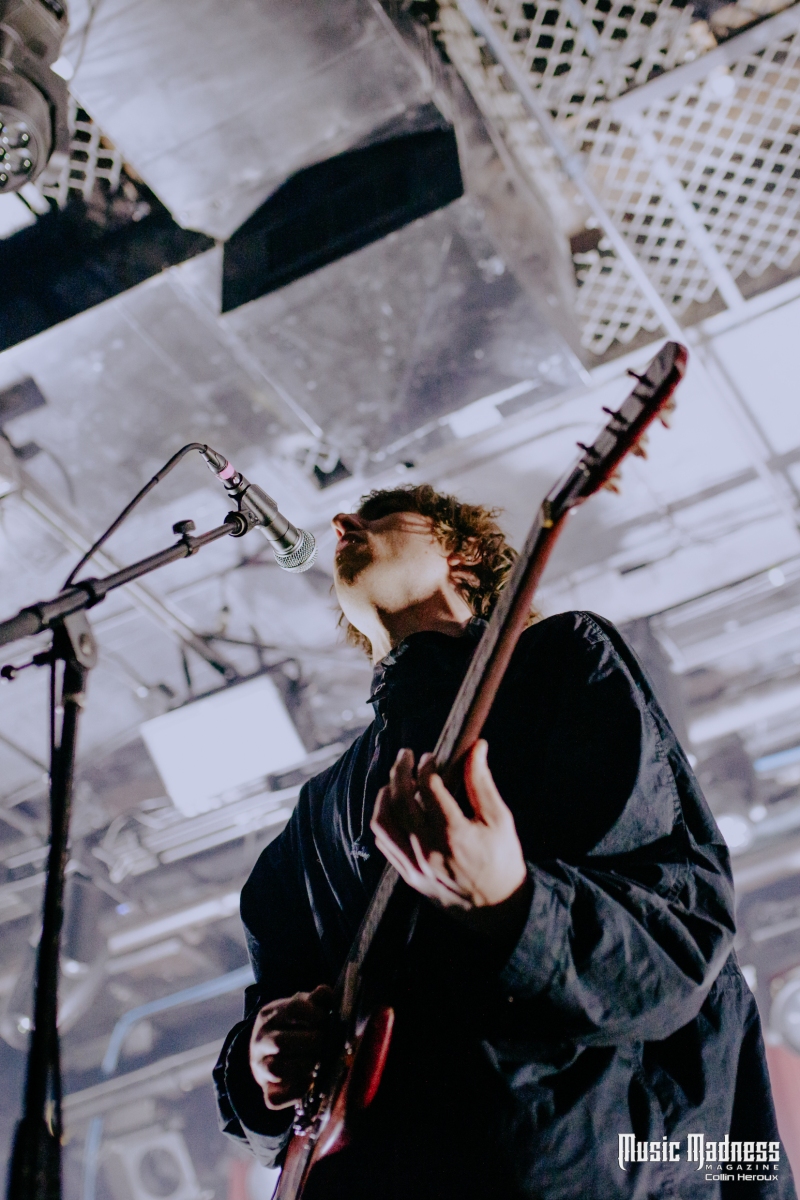
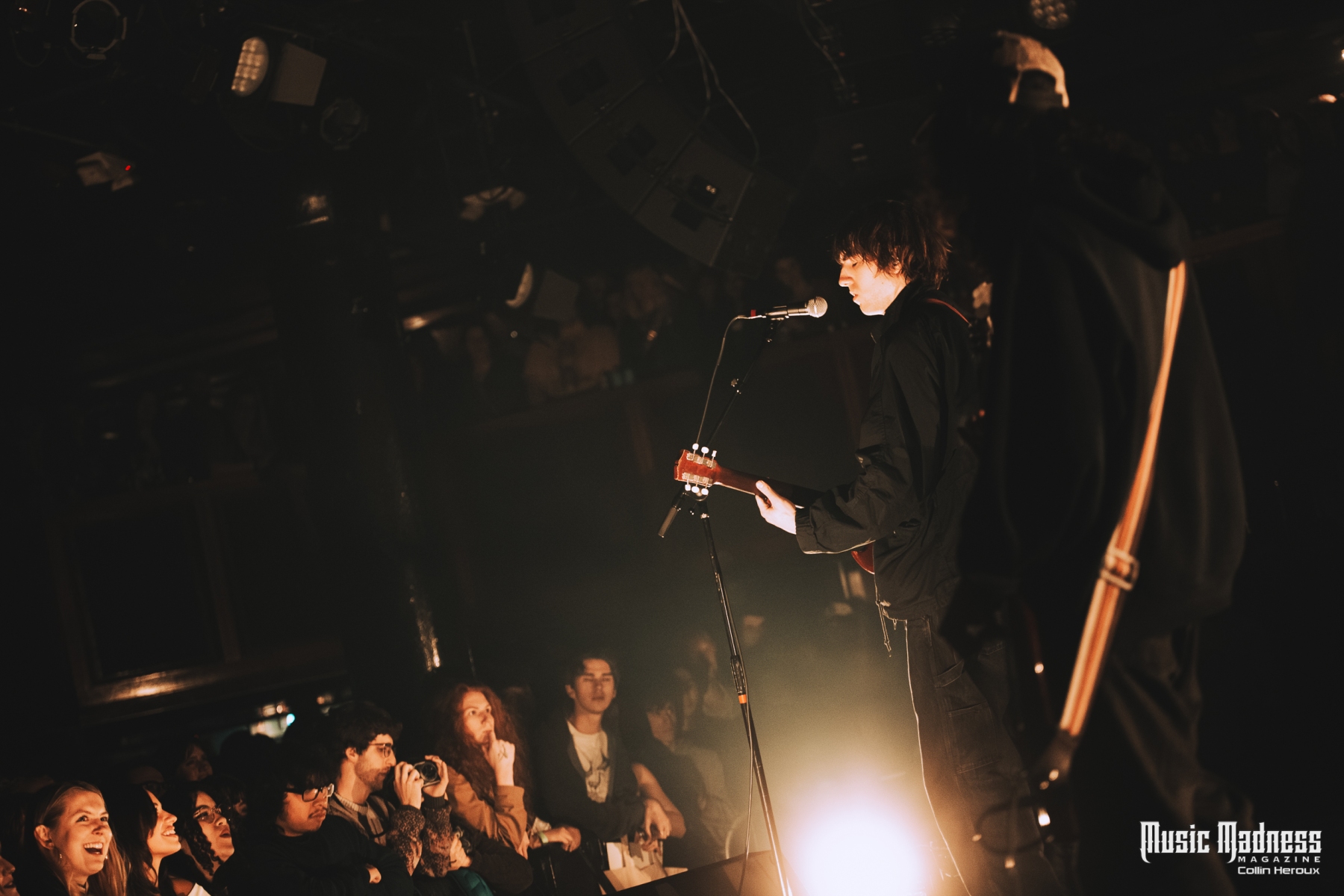
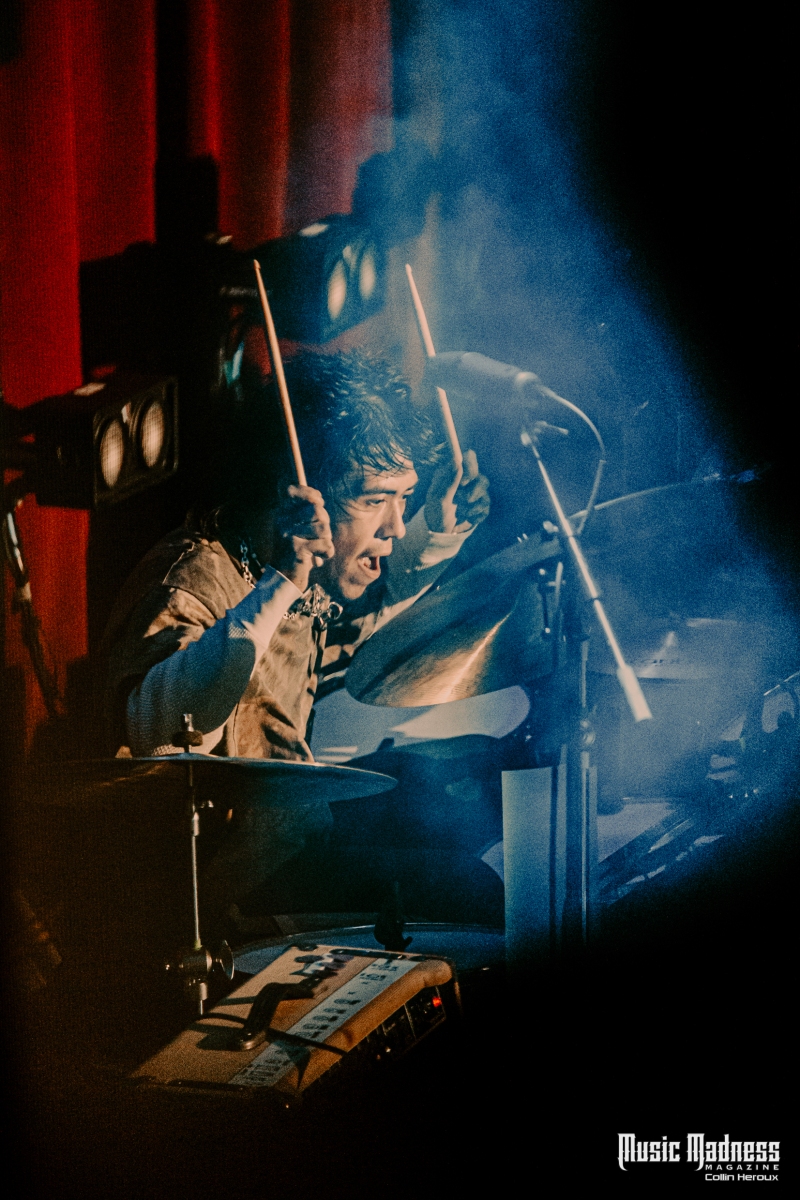
Surprisingly-enough considering the momentum backing them and tangible excitement in the room, Geese begin their Boston show with some of the slower tracks off of Getting Killed. But even though Max Bassin’s drumming starts patient and steady, opening track ‘Husbands’ lets Winter’s vocal start to bloom, stretching itself out as a flower toward the sun. It’s followed, as on the record, by title track ‘Getting Killed’, with bassist Dominic DiGesu taking a moment to usher in the song on bongos in a dual-percussion setup. Is it a statement on the band’s success? Modern contrivances? Are we lucky if we get the privilege of “getting killed by a pretty good life”? Winter leaves room for listener interpretation. Completing their opening trio of sequential songs from the record is ‘Islands of Men’ – Winter and guitarist Emily Green weave an interlocking pattern of guitars, and the band stands swaying slowly as if they were trees, blocking and unblocking the backlights shining radiant beams behind them. This interplay is such a key component of the sound of Getting Killed, and Green’s role as principal guitarist is felt from lower-tempo moments such as this all the way to the sheer intensity that the guitars adopt on tracks such as ‘Bow Down’, which they play much later on in the night. Turning their eyes back toward 3D Country after four songs, the premier ‘cut-loose’ moment of the evening comes with the arrival of ‘2122’ from that record. In a nod to the environs, they opt to splice in a snippet of The Modern Lovers’ ‘Roadrunner’ – Geese might not be at the venue of the same name a mile or so to the west, but Winter’s voice grafts wonderfully into the echoes of Jonathan Richman that Bostonians so love, whether or not it’s familiar to the current crowd of students making their home around the place. Winter soon confesses his voice is struggling here near the end of the tour – and so requests all in attendance help him along with the highs in the chorus of ‘I See Myself’, and everyone rises to the occasion.
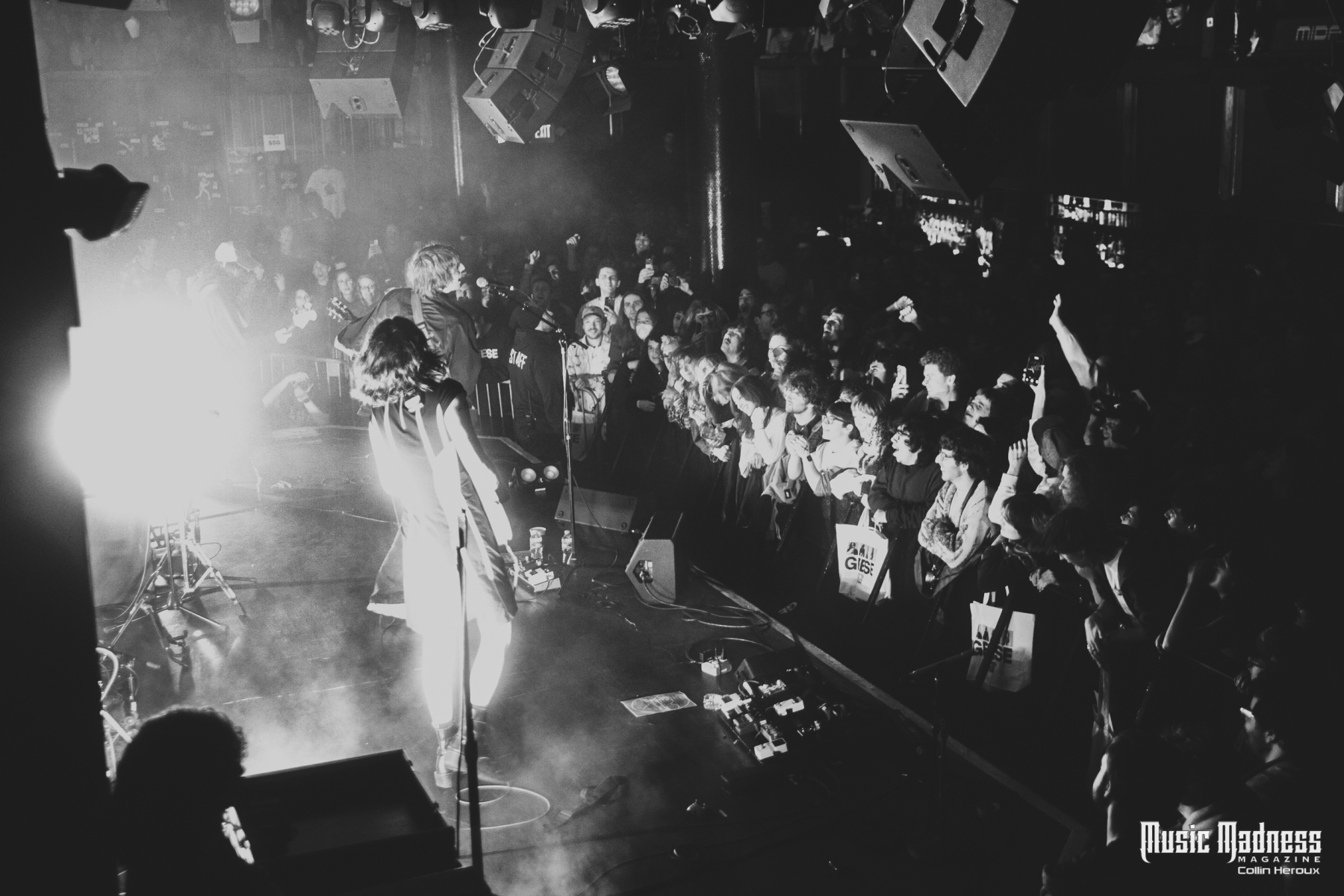
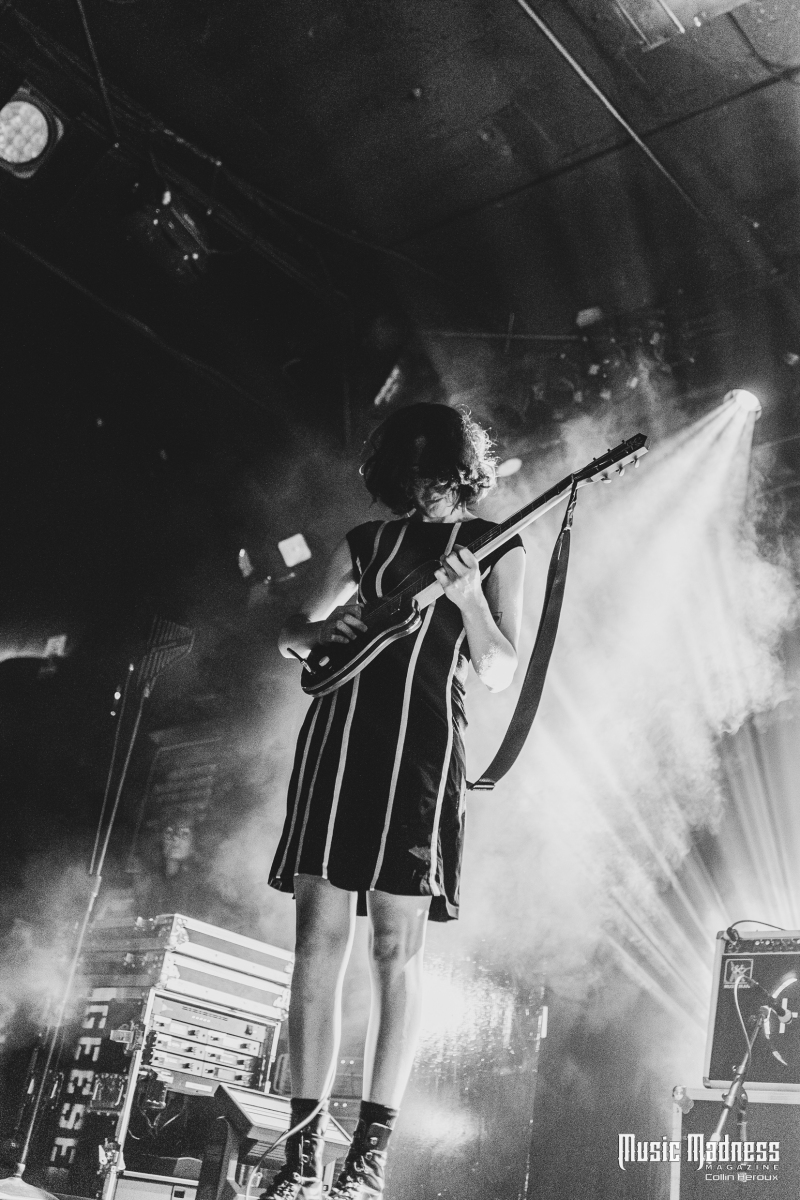
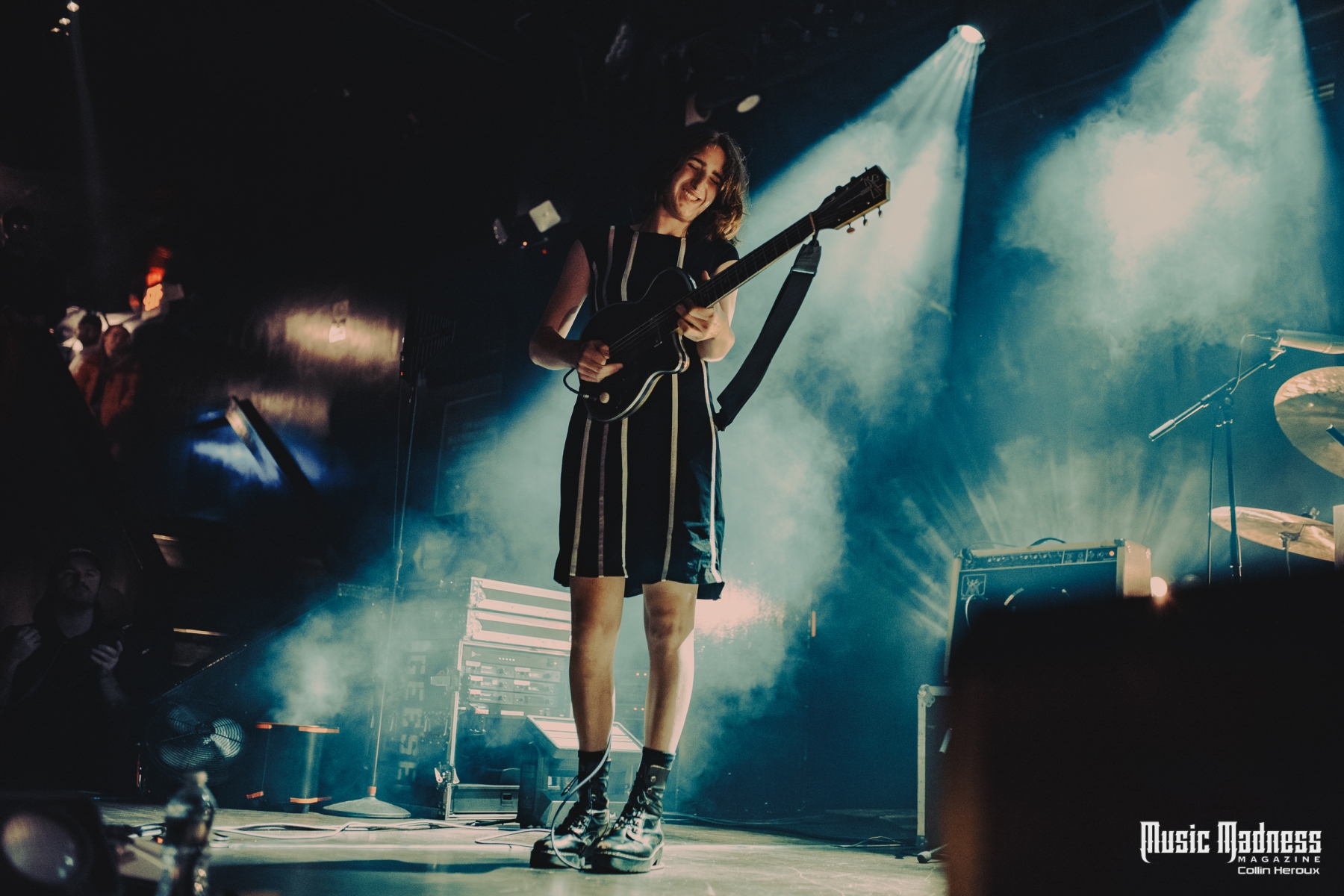
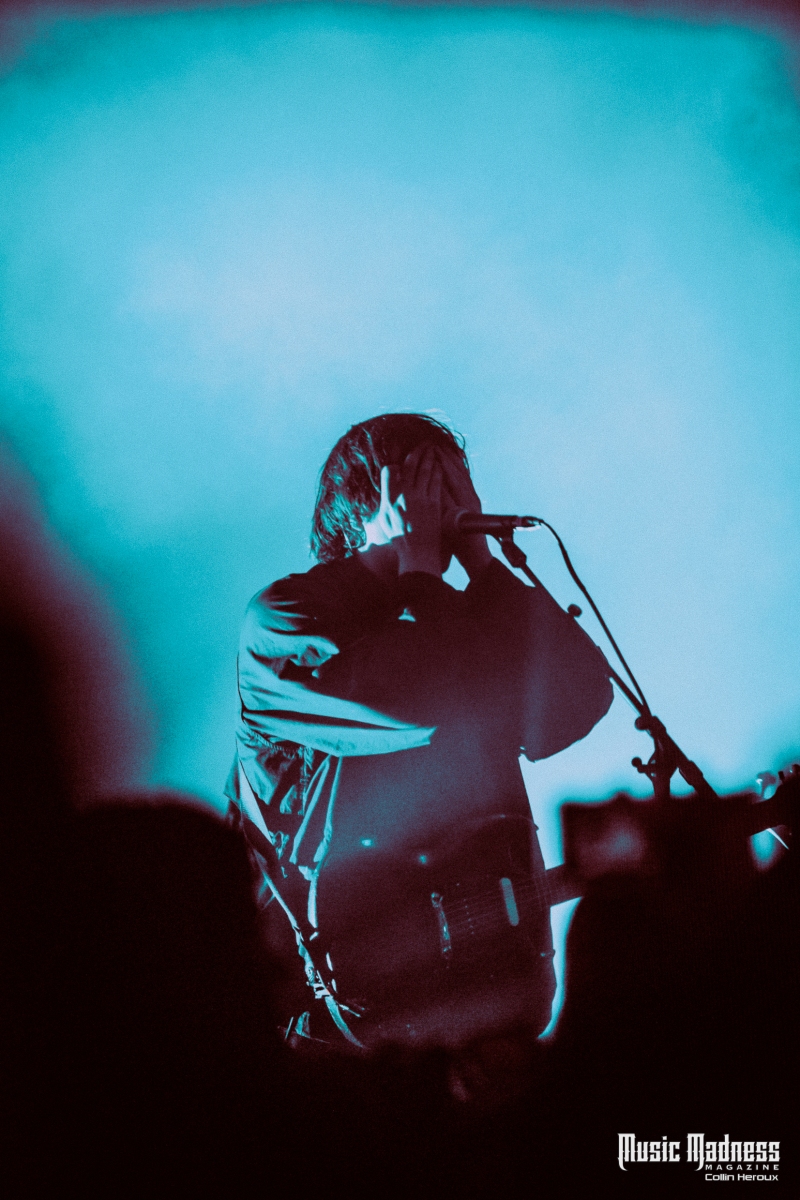
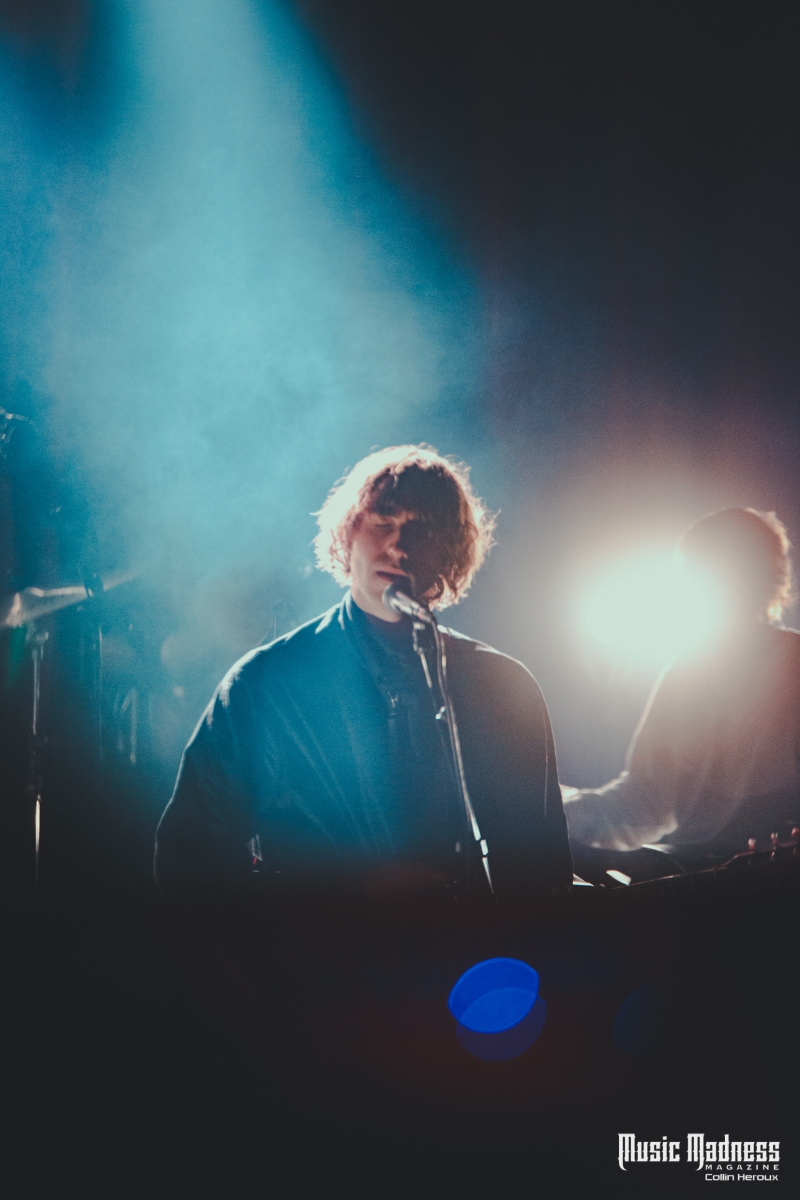
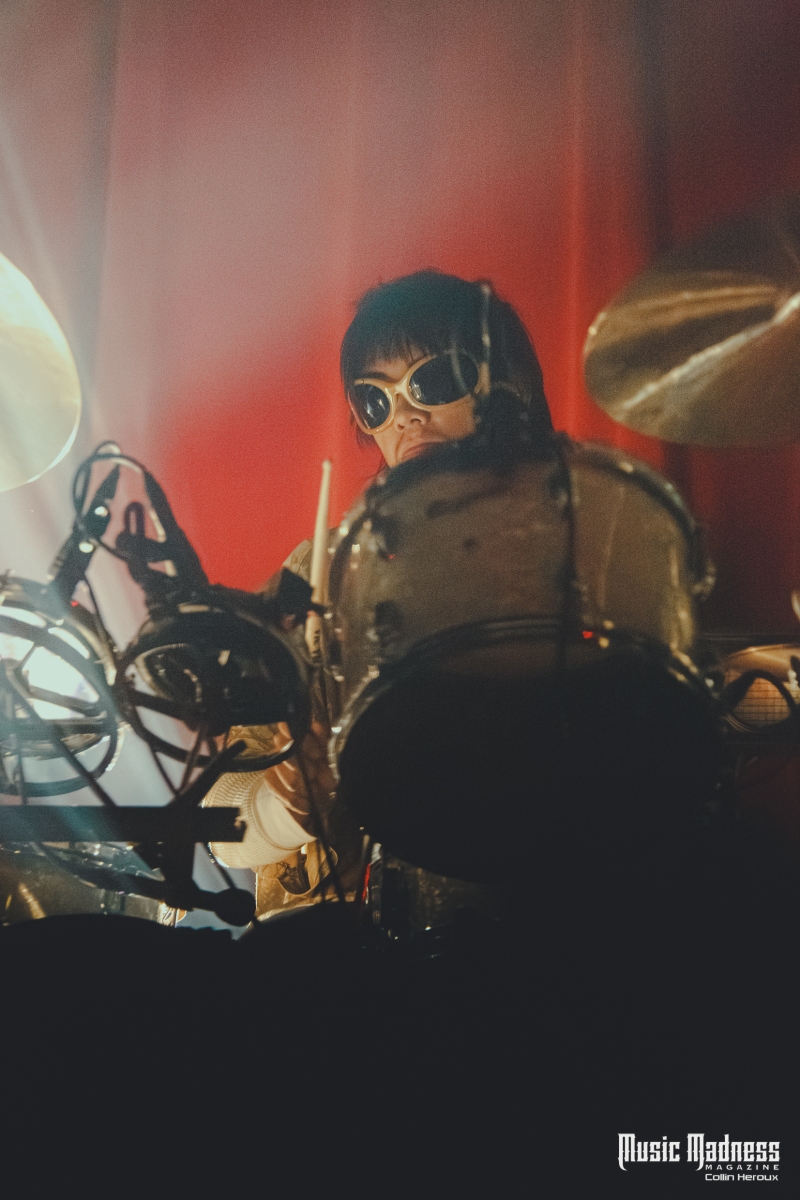

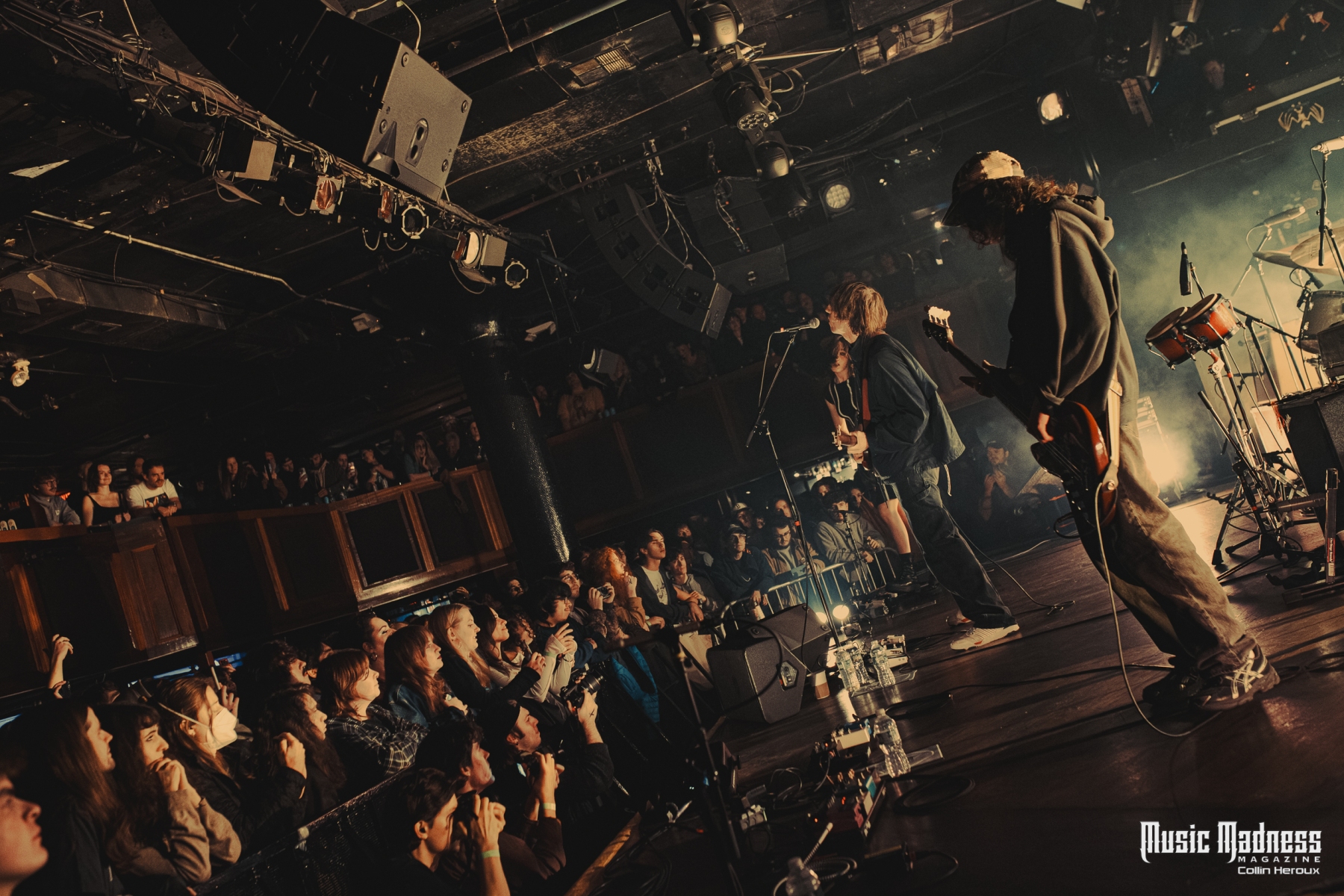
‘Taxes’ is in many senses the moment everyone in the room is waiting for as the night goes on. The first single of the record cycle, it was a head-turning release. There’s a moment halfway through when the entire timbre of the song changes even as Winter holds a note through it – where there was sparse drumming before there’s immediately gorgeous, heavenly guitars, coming through with a clarity that makes it feel like you just switched to watching something in full color from grayscale. Hearing this transition in person can only be described as truly glorious. It’s fitting the band recently garnered Nick Cave’s blessing, the way the lead-in of ‘Trinidad’ recalls the off-kilter menace of Cave’s infamous rendition of ‘Stagger Lee’. It may begin Getting Killed as a record, but ends the band’s live set. There’s something inexorably joyous about getting together with 932 of your closest friends and screaming, “THERE’S A BOMB IN MY CAR!”
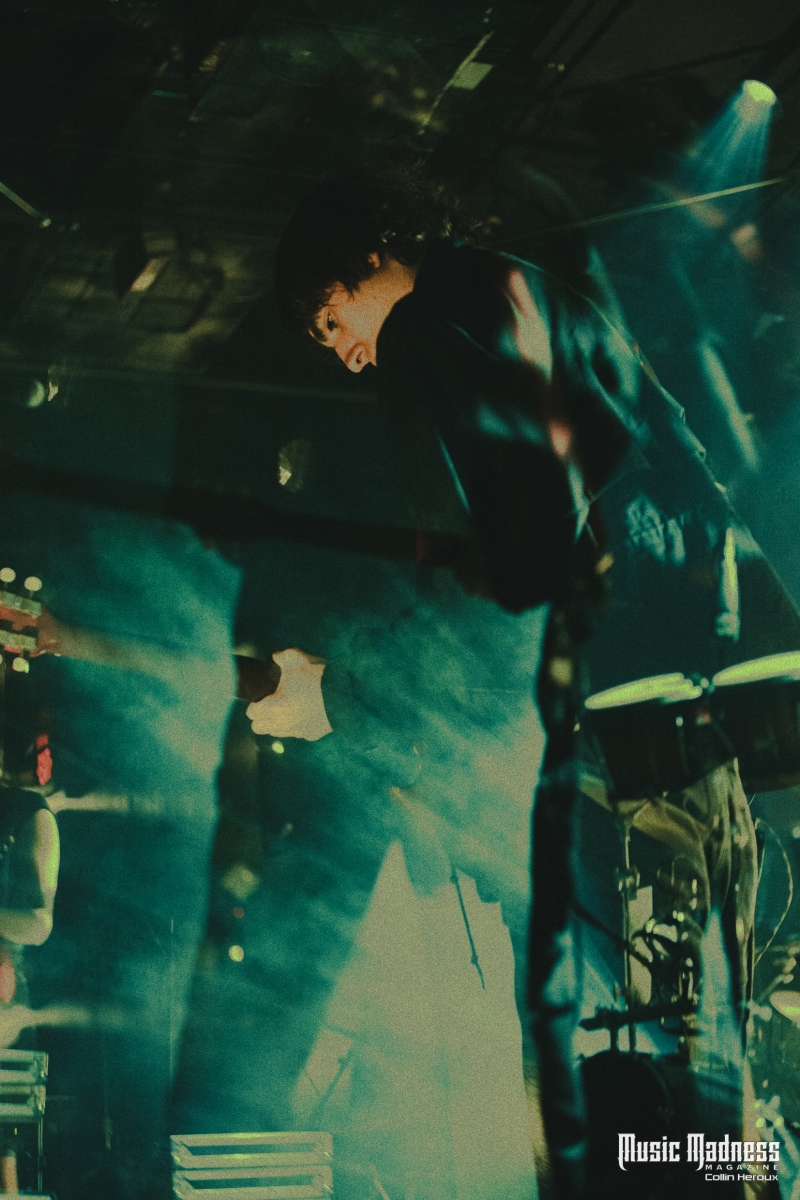

Photos and words by Collin Heroux