

Twenty-five years is quite the length of time, but it’s not only the advancement of a clock – from 2001 to 2025, or 1999 to 2000 – that helped cement the enduring fascination with Grandaddy’s The Sophtware Slump. The album owes that to the slew of existential changes happening around it – particularly the weird and often insidious technological horrors that would develop in the new millennium. “How’s it going 2000-Man?” asks Jason Lytle, frontman of the California band, in the first full verse of the album’s opener ‘He’s Simple, He’s Dumb, He’s the Pilot’. It’s a question whose answer could only be answered speculatively then, but a quarter-century later, the beginnings of a proper response have taken shape. “Did you love this world / and did this world not love you?” Lytle’s focus was clearly the isolation baked into the proliferation of advanced technology: the way interconnectedness between people over wires doesn’t necessarily translate into more empathy or understanding – and the way in which this disconnect would all come to exacerbate the already-existing distances between people. And sure enough, isolation has evolved to encompass all that – but hasn’t it also come to be so much more?
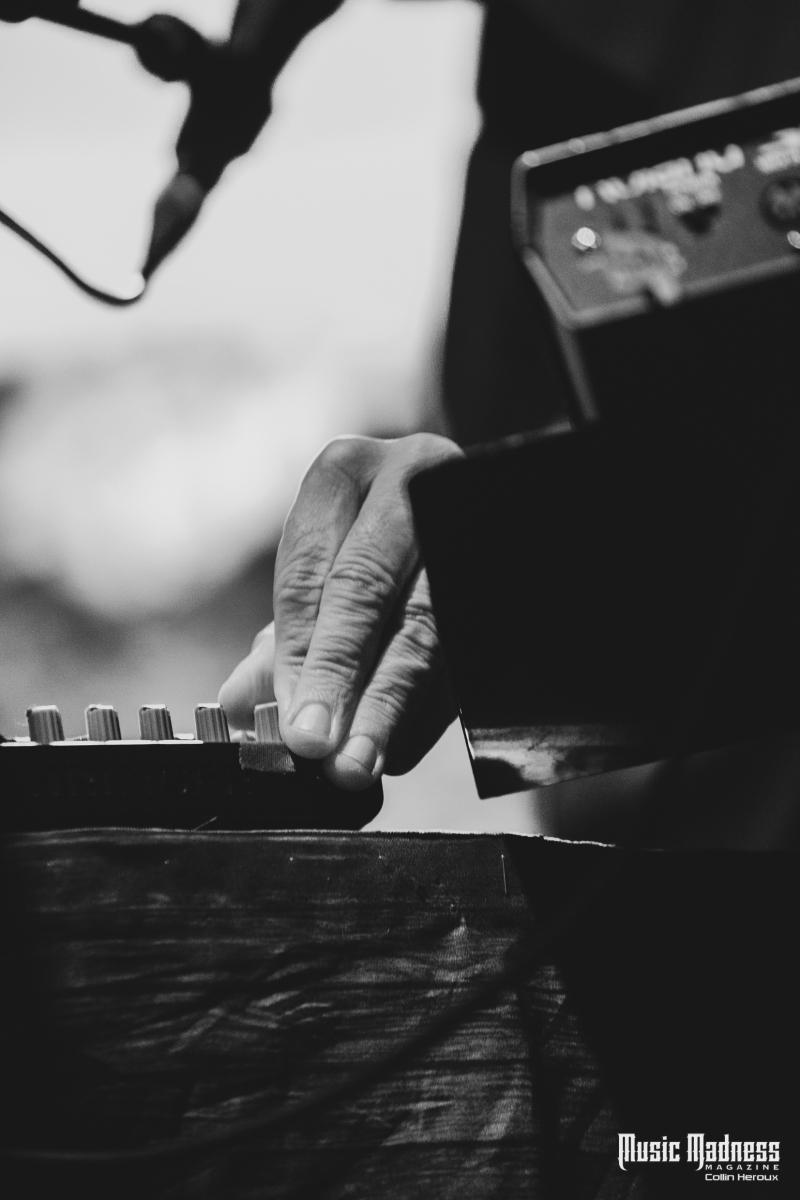
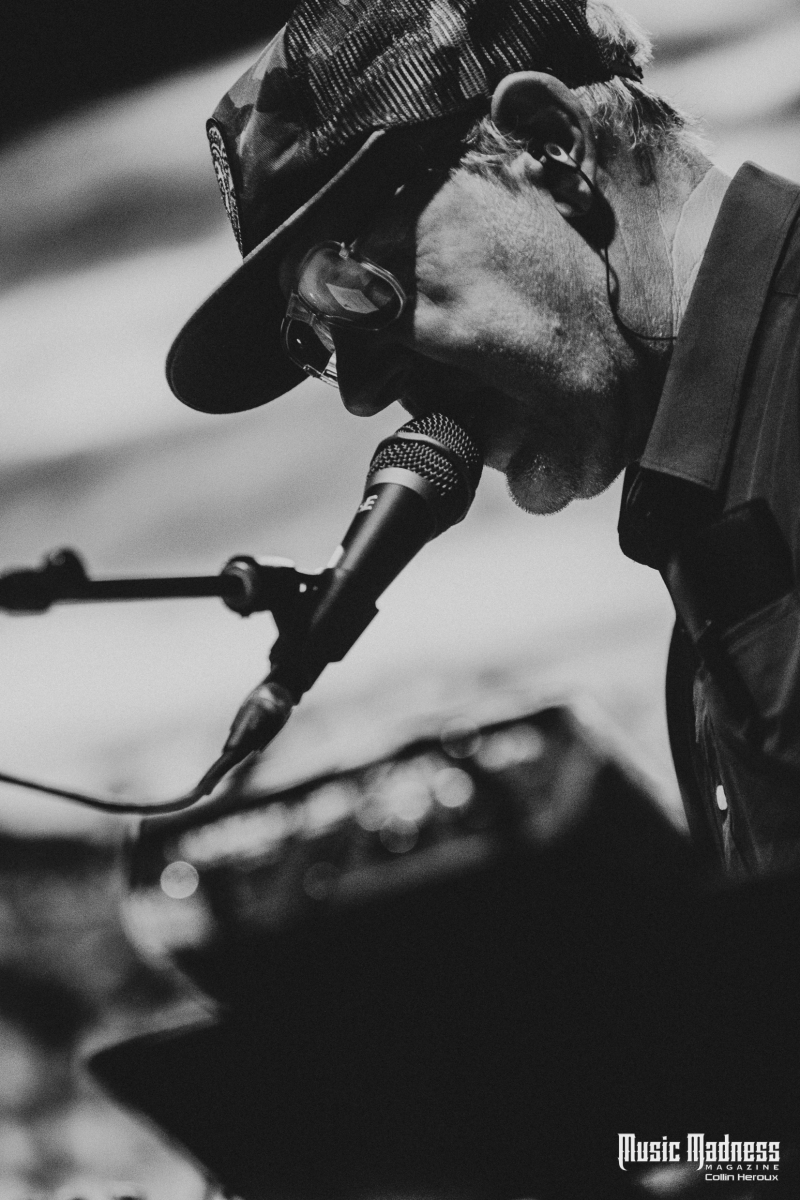
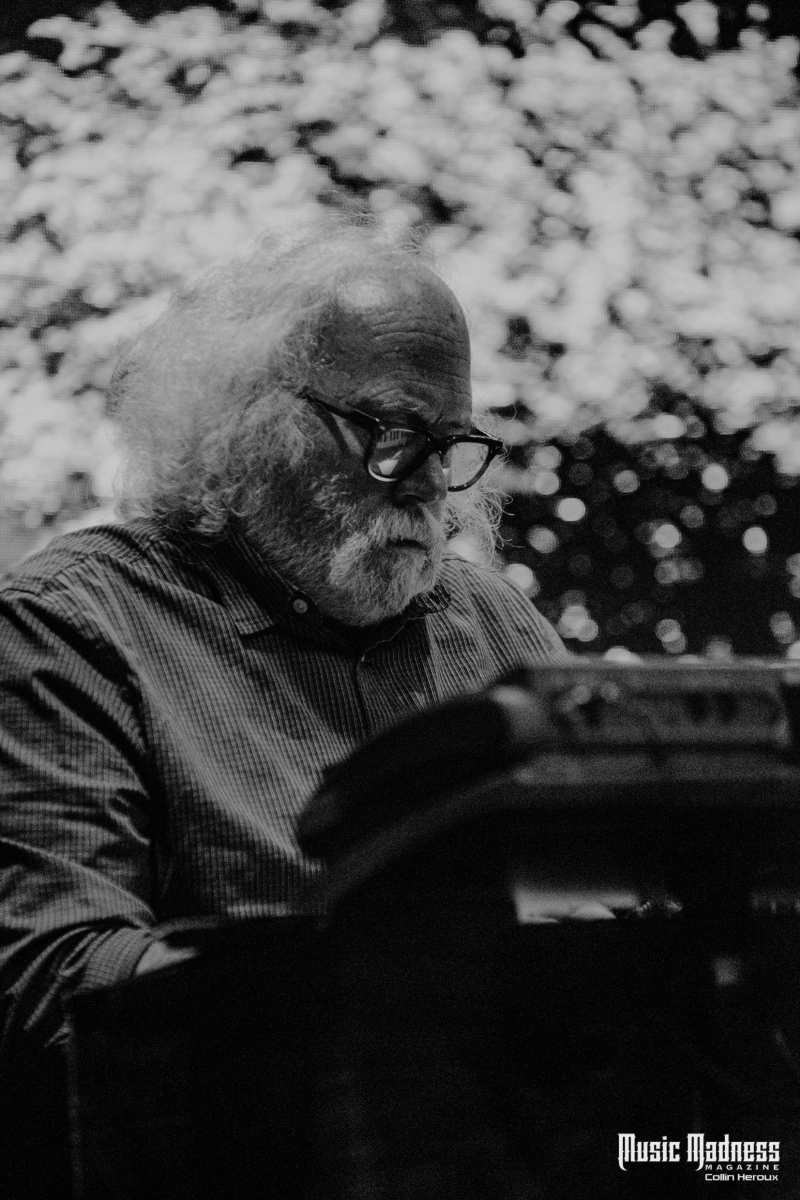
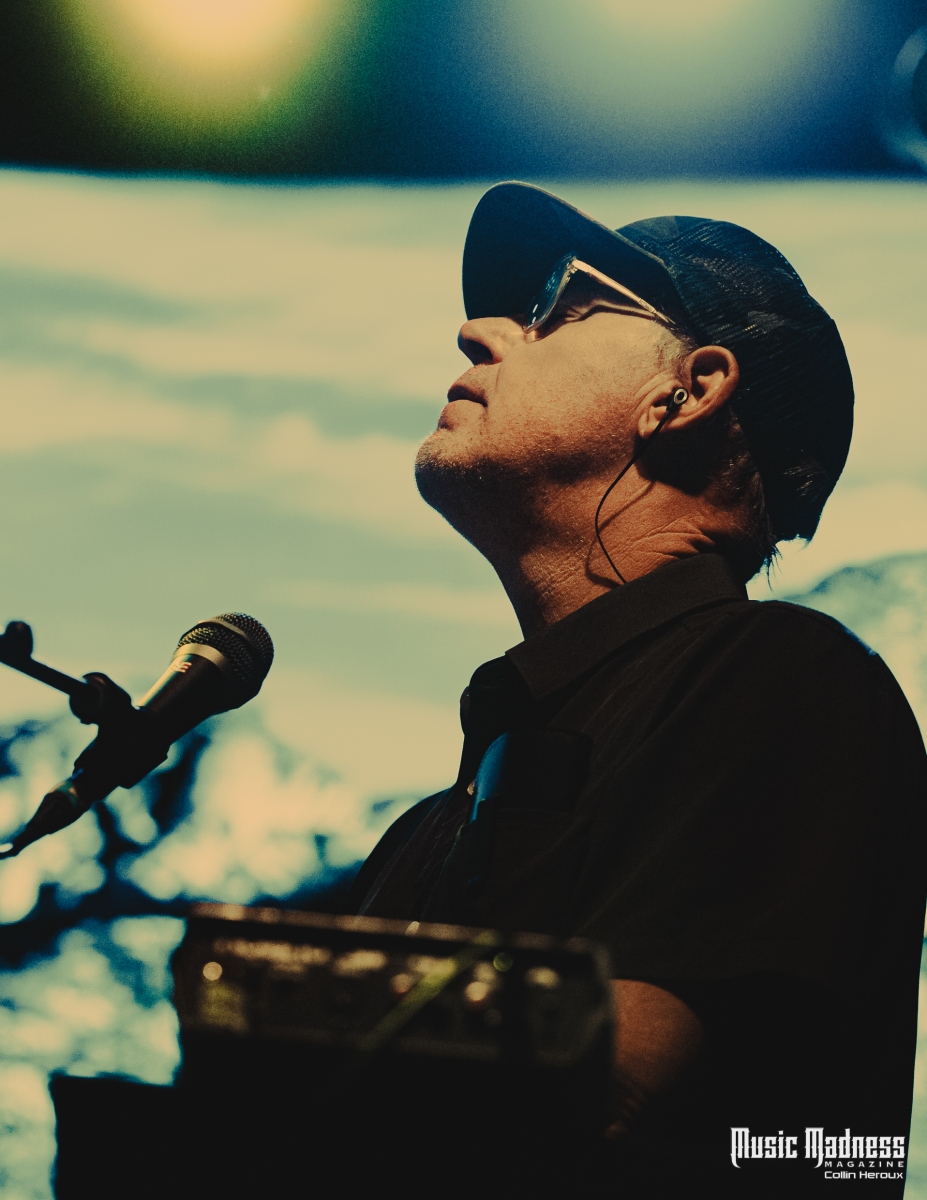
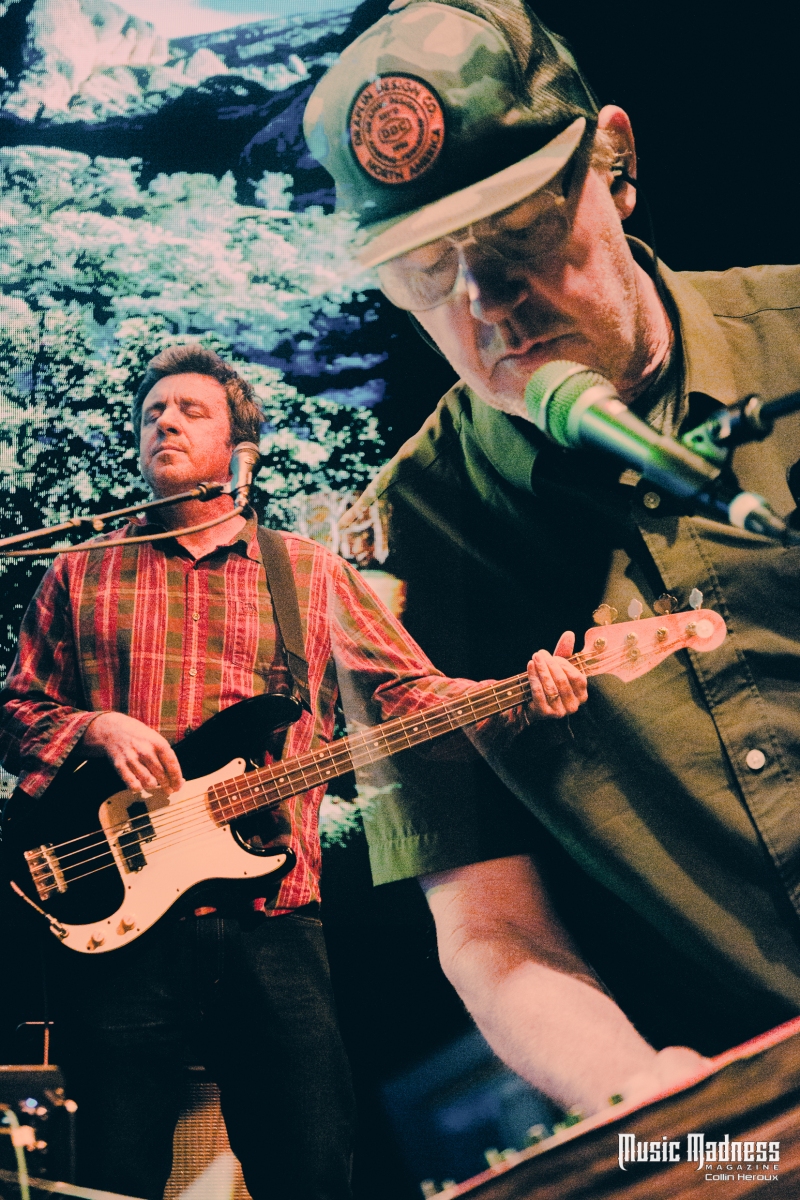
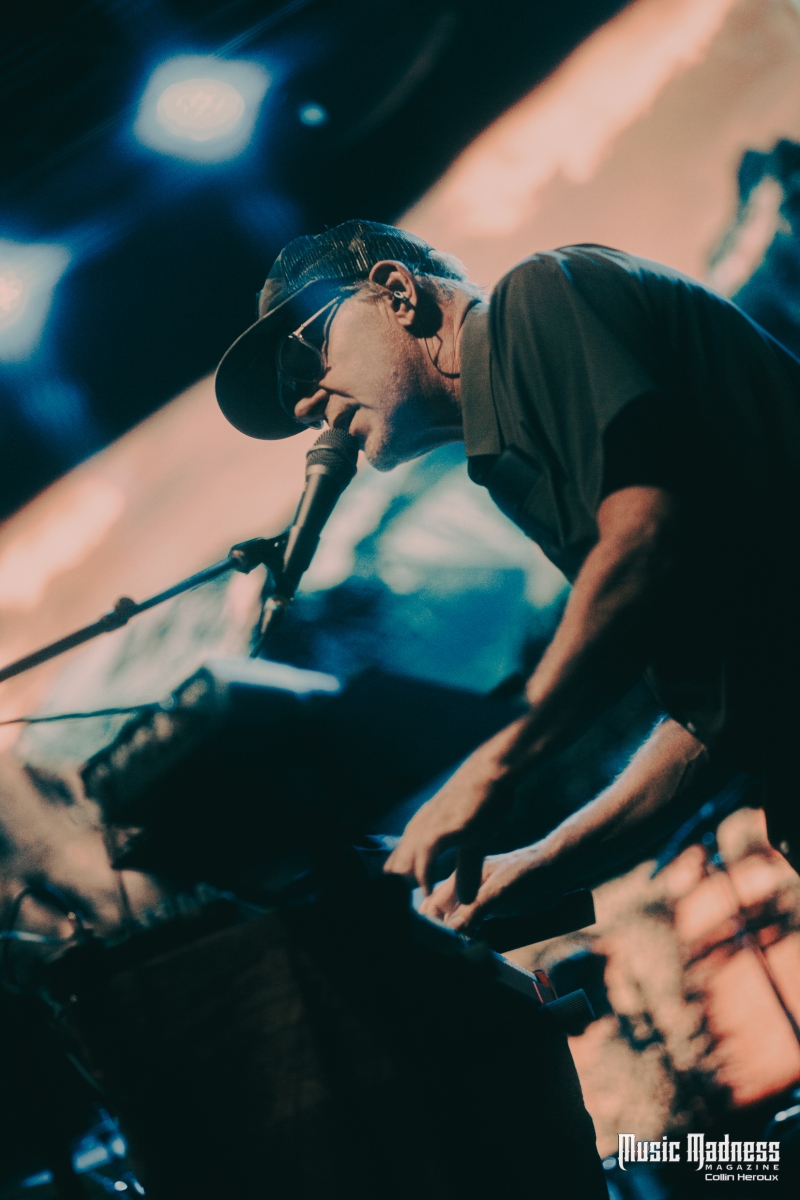
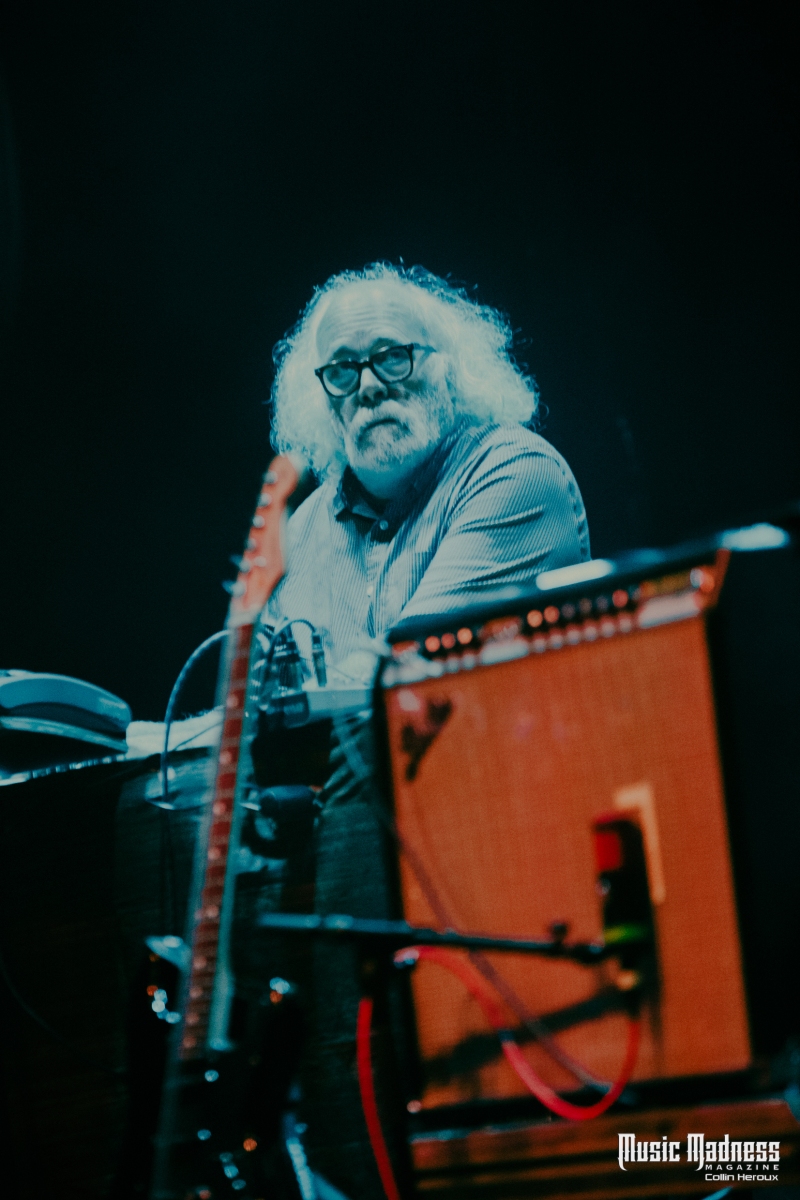
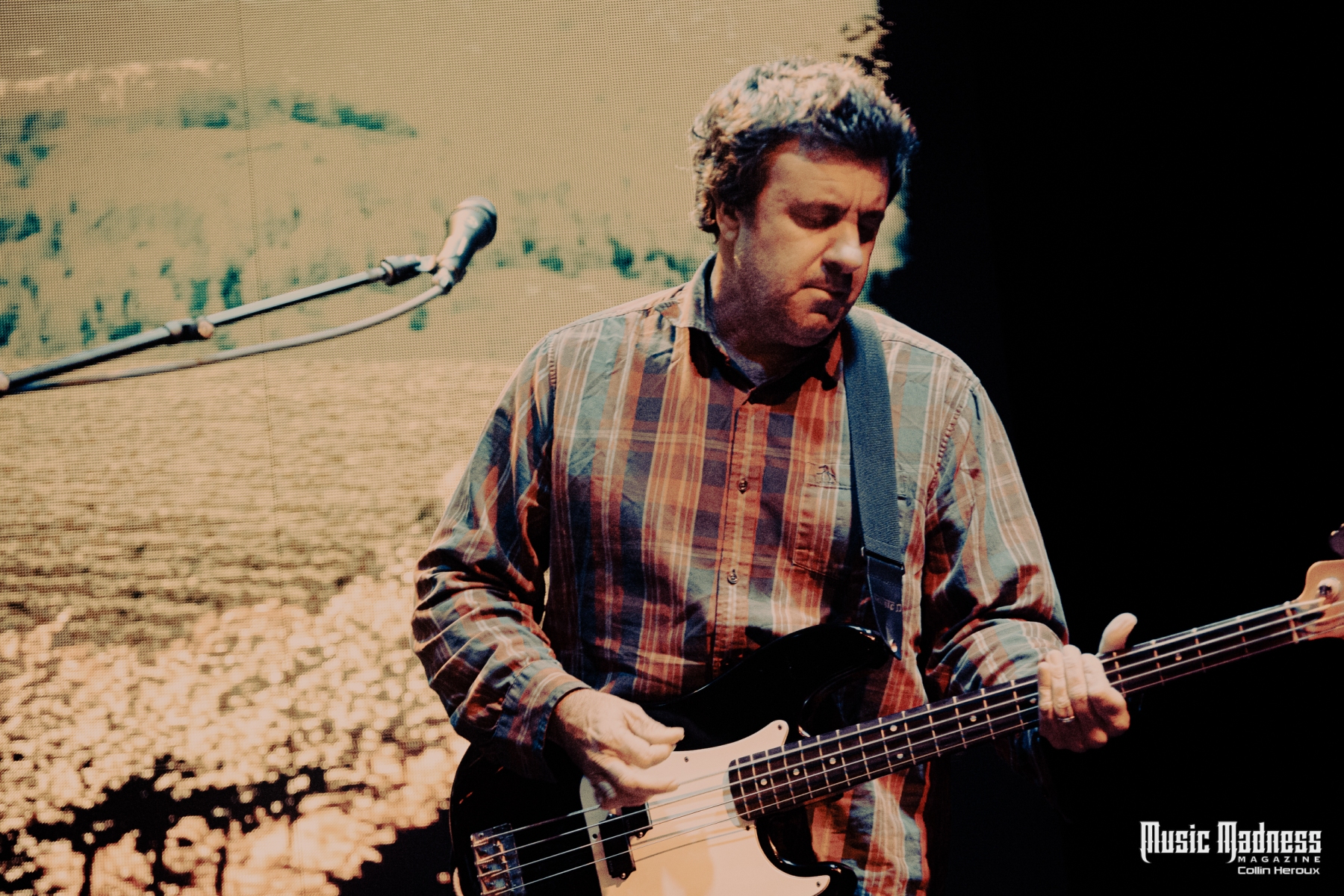
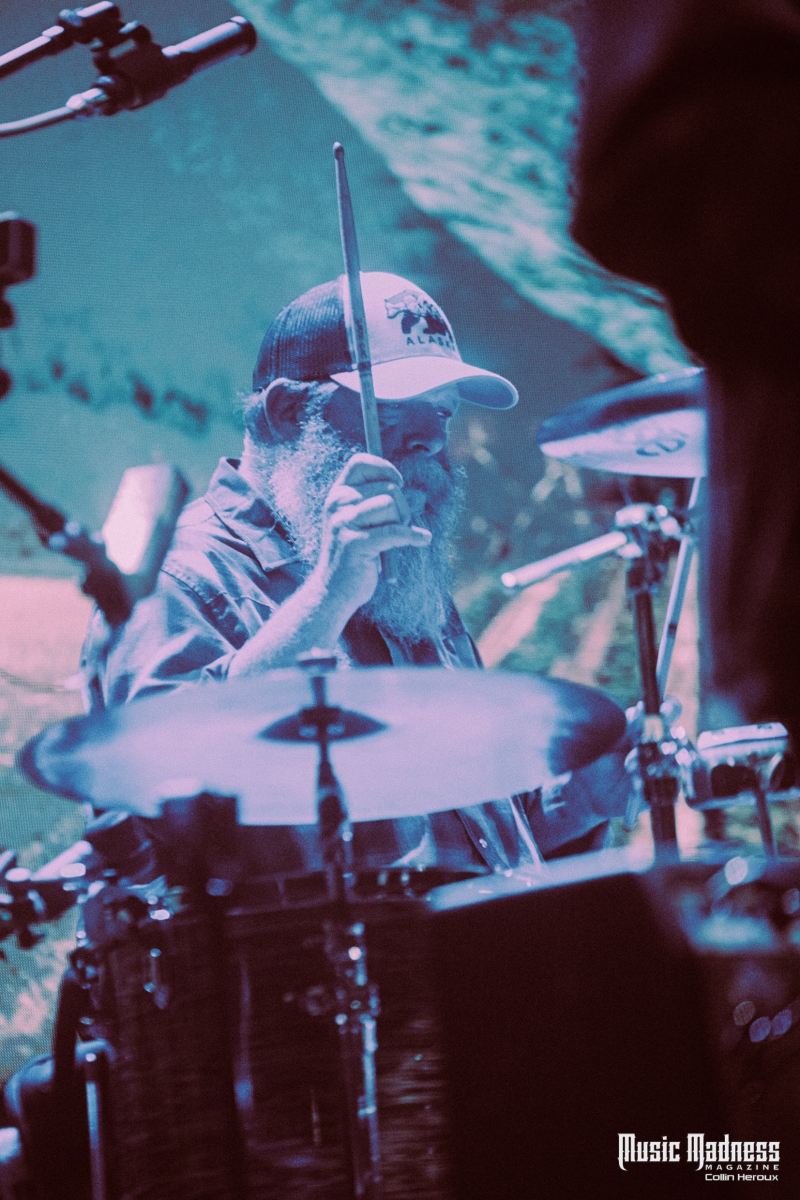
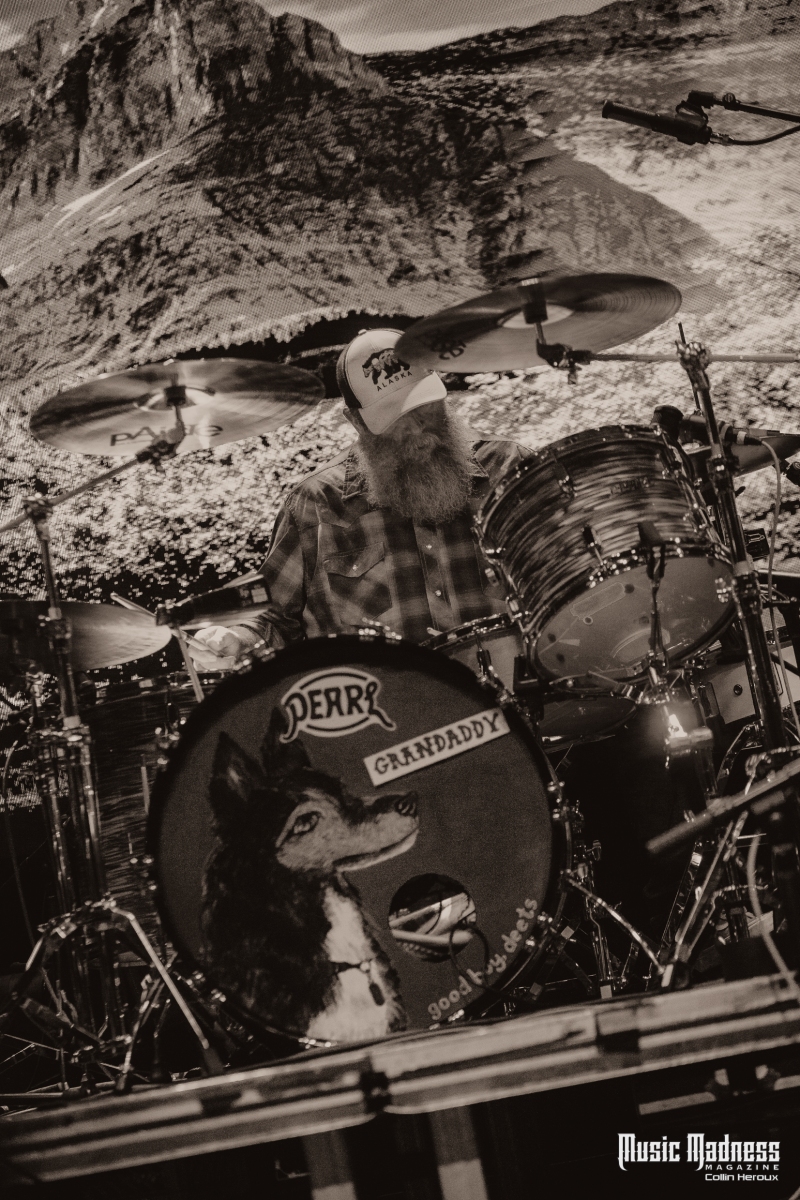
On a stage backlit by projections showing off albums’ worth of photos from the Slump recording sessions and tours, cassettes with scribbled tracklists and other artefacts that may never have seen the light of day, Grandaddy come out to an audience full of both people who spun the album at its inception, as well as a healthy number of younger faces who may have never thought they’d hear these songs in person one day, certainly not all at once and in order. After the initial thesis-statement table-setting is done not only by ‘…Pilot’, it’s assisted in those tasks early-on by ‘Jed the Humanoid’, which puts a (cobbled-together) face to concerns. A backing vocal underscores each step of the tragedy: he’s built from scraps, brilliant beyond expectation, but soon cast aside in favor of new things – not actually a person, but an invention. It’s a story arc humans have found compelling since people first started to get an inkling of what computers would be capable of, but Lytle’s narration is if anything more powerful the closer it gets to that inevitable conclusion. How better to capture the essence of Jeddy-3’s feelings than in a medium of music, with the way it reaches most directly to the emotion in a way that the written word or moving image cannot do so immediately.




Yet there’s no denying Lytle’s uncanny ability to both predict and distill the essence of what was coming – the glut of trash and technological detritus (‘Broken Household Appliance National Forest’), and the all-too-relevant way humanity strives to invent the amazing only to shove it into a corner to do banal tasks that simultaneously ruin the planet. Much like Moore’s Law, ‘…National Forest’ only gets faster and faster as it approaches its end. Much less speedy come the sounds that make up the addendum to ill-fated Jed’s tale, like a failing heart tapping out its Morse code on hospital machinery, or an alarm system mustering its final few salvos, all presented as a poem read off by one of his unsettled progenitors. The double-acoustic-plus-piano instrumentation of ‘E. Knievel Interlude’ reminds of the music Nick Cave was making around that time, at least until the synths come back on, and it functions as a sort of funerary dirge.
‘Miner at the Dial-a-View’ presents a different kind of death. In truth, it was optimistic to think we’d be able to use mass surveillance as a way to simply look back on everything we’d left behind that’s gone on without us. The reality in 2025 is, of course, far worse than even that – like the Black Mirror writer’s room arms race to smash past all the individual human tragedies and get to just how terrible something will be when it becomes ubiquitous and evil. But on balance: who also hasn’t looked with great nostalgia at a place they used to live on Google Maps, that specific feeling lodged in their chest as they spot all the new doors, fences, coats of paint, sheds, doghouses, etc. that have been added – and all the things that have disappeared? What new constructions have replaced the patio concrete you drew your initials in, allegedly to last forever, as a child? And it’s the Miner’s voice who closes the record at the tail end of ‘So You’ll Aim Toward the Sky’, a lengthy coda to a record about alienation.
Taking a short break after the album concludes, Lytle and company return and he jokes, “The first half was the serious part…. This might be the trainwreck part,” offering the band to just “do anything you want for 15 minutes… I’m a cool boss.” To the audience’s delight, first tune ‘Now It’s On’ features a delightful kazoo-adjacent thing. Lytle offers the audience a song from his solo catalog as well, called ‘Ghost of My Old Dog’. Elaborating, he says the dog’s name was Zeke, and they project a picture on the big screen. Lytle says he’s learned that his high-contrast eyebrows were an evolutionary feature, meant to fool predators into thinking dogs were awake even as they slept. More somber, he says, “I used to talk to [Zeke] after he died,” which he admits put tension on his relationship at the time.



Photos and words by Collin Heroux